

The first thing you notice after slipping into Norma Kamali’s sleeveless spat-legging catsuit is the fabric’s quiet coolness and slight give against yoru skin. It skims the hip and thigh so seams sit flat, the center slit at the ankle opening just enough when you shift your feet. Standing, the weight feels modest — enough body to hold a line but light enough to move without drama. As you walk the slim legs trace a neat silhouette; when you sit, the jersey gathers in small, honest folds at the knee instead of stretching tight across your lap. The crewneck and sleeveless cut settle without fuss, and mostly you only become aware of the piece by the way it follows you through ordinary movement.
When you first unfold it you take in the sleeveless spat legging catsuit’s silhouette and visible details
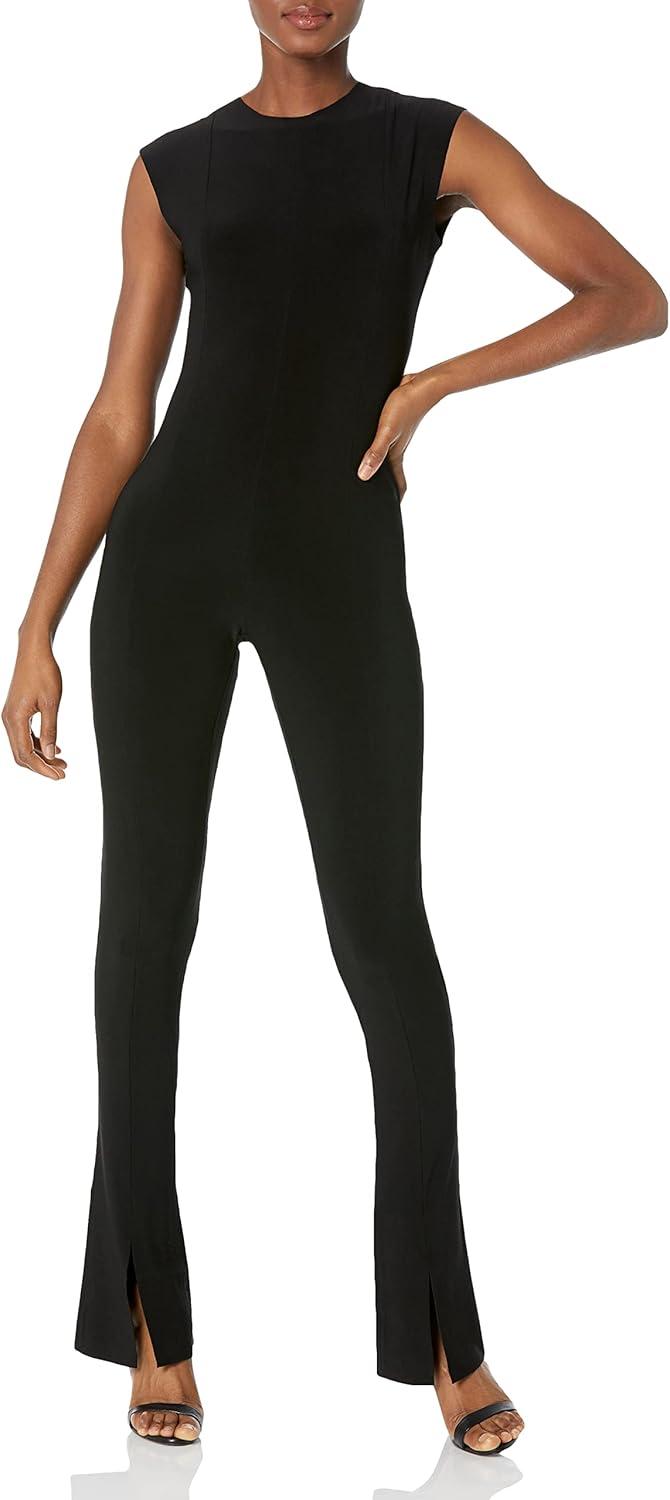
When you unfold it, the first thing that registers is the long, unbroken line of the garment — a slim silhouette that reads as a single piece from the neckline down to the ankle.As you slide it up and into place, the crewneck settles low on the throat and the sleeveless cut frames your shoulders with little extra fabric, while the hips and thighs tuck in close and the legs narrow toward the lower calf. You find yourself smoothing the fabric across the hips and shifting the seams at the waist almost without thinking, testing how the shape follows your movement.
Up close, the visible details show in motion: a neat slit at the center front of the ankle that parts slightly as you take a step, and the spat-like extension at the foot that lies flat over the top of the shoe area. The legline keeps its slim profile whether you stand still or walk, though the slit and the spat area open and resettle with each stride, creating small, repeated adjustments you make by tugging at the hem or repositioning the ankle section. In most cases those little shifts are part of getting the silhouette to sit the way you want it to on your body.
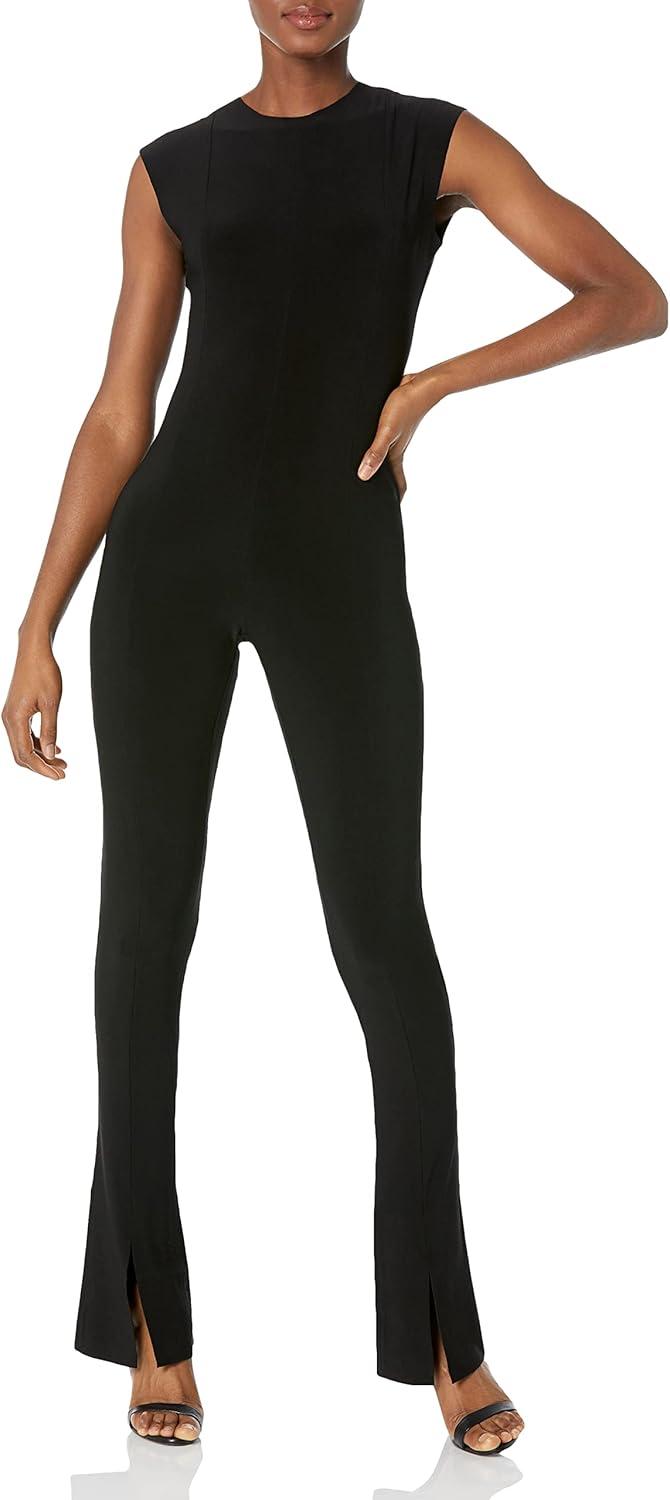
How the fabric looks and feels against your skin under different light and tension
When you catch the garment in different lighting, it doesn’t read the same. In bright, direct light the surface picks up a faint sheen and the knit’s tiny ribs reveal themselves more clearly; highlights travel along the slim leg and across the torso as you move, making the color look slightly lighter where the fabric stretches.Under warm,indoor lighting the finish softens and the overall tone looks deeper and more uniform,while in dim settings the material takes on a near-matte appearance and textures become much less pronounced. If you smooth a hand over the fabric or tug gently at a seam, those small ridges and stitch lines momentarily catch the light and then settle back as the fabric relaxes.
Against your skin the first impression can be cool and smooth, then it warms with activity. When the material is relaxed it lies softly and feels like a close second layer; when you bend, sit, or lift your arms the areas under tension — around the hips, inner thighs and across the shoulders — pull taut and you become aware of the knit stretching, a subtle tightening rather then a harsh strain. At heavier stretches the face of the fabric shows faint longitudinal lines and, in very bright light, can transmit a little light through the most stressed panels.You’ll find yourself smoothing the torso or shifting the leg slit now and then as seams rub or settle; the fabric tends to move with you, but that movement also makes those transient tensions and highlights more noticeable in certain poses.
How the cut and stitch lines sit along your torso and legs as you move into place
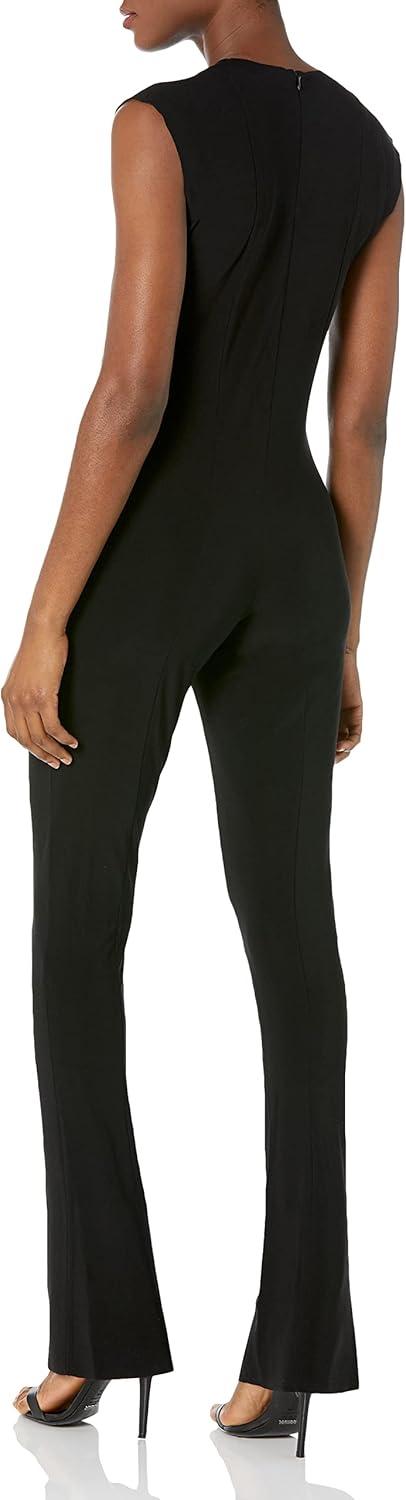
When you step into it and work the garment up over your hips, the stitch lines gradually settle against your body rather than snapping into a fixed position. The side seams tend to follow the line of your hip and rib cage and,as you smooth the fabric,they read like a continuous contour from underarm to thigh. You may find yourself tugging briefly at the crotch seam or smoothing along the waist as the center-back and center-front seams trace the natural curve of your spine and sternum; after a minute of shifting and standing upright the seams usually lie flatter across your torso.
As you move—reach,walk or sit—the stitch lines shift in small,familiar ways. Raising your arms slightly pulls the armhole seams inward, and walking can cause a soft migration at the inner thigh where the inseam brushes and sometimes puckers a little with each stride. Sitting brings the crotch and rise seams into more contact, creating gentle gathers across the lap, while the outer-leg seams can drift toward the back of the leg when you cross your legs or bend. at the ankle the lower construction hugs and loosens in turn, and the slit at the center front edge opens a little as your legs bend, revealing how the cut and stitch lines respond to real movement rather than staying perfectly static.
How it moves with you when you walk, reach, and sit
When you walk, the suit follows your stride with a steady give: the fabric stretches across your hips and thigh with each step and then eases back, so the silhouette stays mostly uninterrupted. The slim legs move close to your calves, and the center cut slit shifts open and closed as you swing your leg—sometimes it parts higher on a longer stride. you’ll notice the hem around the spat-ankle area hug the ankle and, from time to time, creep up a touch when you step briskly; it’s the kind of small tug that makes you smooth the front or shift the seam without thinking.
Reaching up or forward pulls the material across your upper back and underarms, where the armholes may feel more compact and the shoulder seams ride slightly. That motion also draws the fabric at the waist forward so you may find yourself smoothing the midsection afterward. Sitting compresses the front and stretches the thighs inward; creasing appears where your hips meet the seat and the leg fabric can draw toward the knees, prompting a brief rearrangement of the seams. When you stand again the suit generally settles back into place, though you might briefly run a hand down your side to realign the fabric.
How this catsuit lines up with what you expect and the practical limits you encounter
At first wear the piece reads exactly as a streamlined one-piece: it sits close to the body, the neckline settles near the collarbone and the lines from hip to ankle feel uninterrupted. As movement begins, the garment’s stretch and recovery become obvious — it tends to shift subtly with each step, smoothing over the torso one moment and pulling into faint horizontal lines around the seat or waist the next. The center cut at the lower leg changes its relationship to the ankle when walking or when sitting cross-legged, sometimes opening a little more than expected and at other times lying flat against the shoe.
Over time small, habitual adjustments show up: the wearer will find themselves smoothing the fabric at the hips, tugging briefly at the leg seam, or nudging the lower slit back into place after stepping. The close fit means layering is limited and posture affects how the fabric distributes across the body — reaching or bending introduces short-lived tension lines and slight seam migration. Temperature and activity also reveal practical limits: the close surface can feel warmer and cling more as the body heats up, and the lower leg region can catch on certain footwear, prompting an occasional readjustment while on the move.
View full specifications and available sizes and colors
What you observe after a full day out and a wash about fit and wear
After a full day out the garment settles into movement patterns: the fabric relaxes slightly across the seat and behind the knees, and there’s an occasional urge to smooth the torso or tug at the ankle as activities change. The crewneck and arm openings generally stay put, though reaching or lifting can cause the neckline to ride a little higher on the back; seated periods encourage the legs to bunch subtly at the knee rather than stay uniformly taut.Seams and the center slit reveal themselves in use — the slit falls differently when standing versus walking,and side seams can shift toward the outer thigh after repeated crossing of the legs. Small, unconscious adjustments happen: smoothing at the hips, pulling up at the hem, repositioning a seam that feels off-center after sitting.
After a wash and a gentle dry cycle, observations about fit and wear are more about incremental change than dramatic alteration. In most cases the overall silhouette returns, though slight loosening at high-friction points (inner thighs, under the seat) tends to be noticeable for some wearers; elastic recovery appears to rebound but not always to its brand-new tautness. Surface appearance and color generally remain steady; stitches and hems sit as before with minimal puckering. Fabrics that were smoothed out before wearing often show the same low-wrinkle look afterward,while areas that creased in wear can keep faint lines until actively smoothed or re-laid.
View full specifications and available sizes and colors
How the Piece Settles Into Rotation
At first it feels like a bit of an experiment, but the Norma Kamali womens sleeveless Spat Legging Catsuit gradually finds a quiet place in the week. Over time its fit and slight give show up in daily wear, softening in the ways that don’t demand attention. Comfort shifts subtly as it’s worn, fabric aging into a familiar hand and joining the regular routines of dressing. It hangs in the wardrobe with low drama and, after a few wears, simply becomes part of rotation.

