

You slip into LifeShe’s Tweed Jackie romper and immediately notice the fabric’s texture—nubby like tweed but surprisingly airy and cool against your skin. It holds a soft structure as you stand, the shoulder seams sitting neatly when you lift your arms and the front settling without any awkward pulling. As you cross the room the short legs swing with a modest visual weight, giving movement without feeling heavy. When you sit, the fabric drapes smoothly over your thighs and the seams ease flat, leaving a lived-in, quietly composed impression in those first few minutes of wear.
When you first pick it up and take a quick look at shape and details
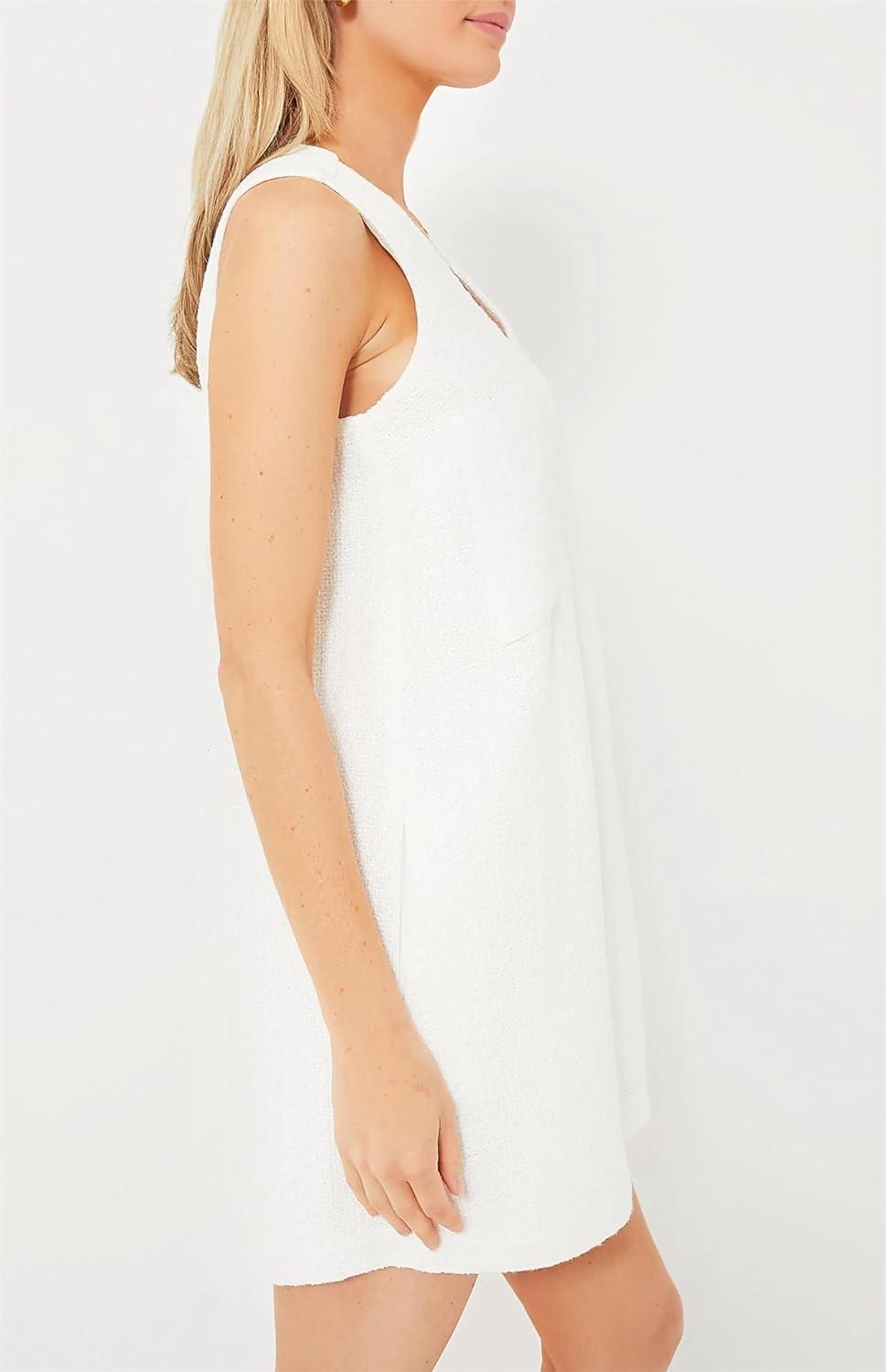
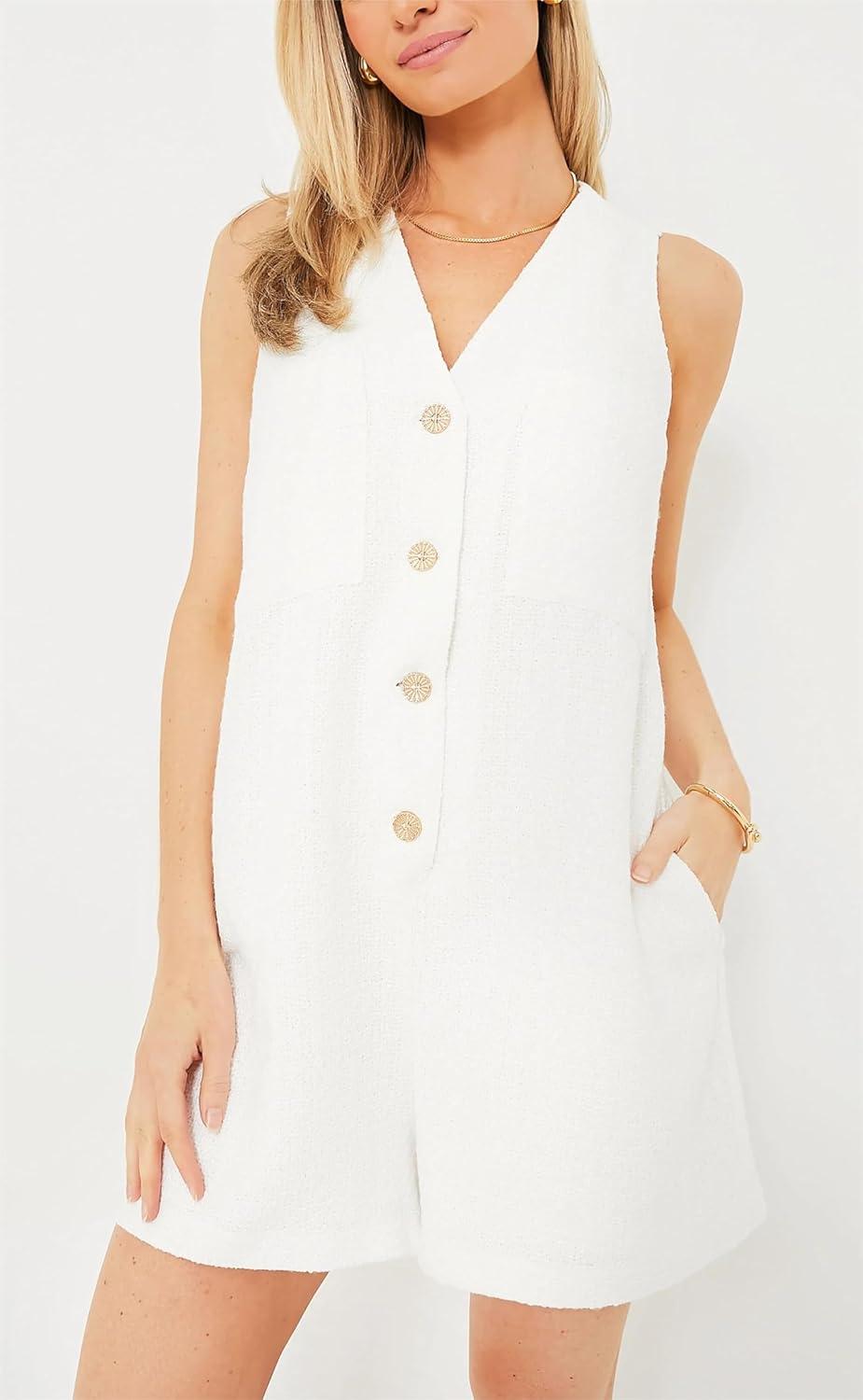
When you lift it from the hanger and hold it up, the first thing you notice is the way the lines read — a sleeveless top that opens into a clear V-neck, a vertical row of buttons down the center, and a defined waist seam that separates the bodice from the shorted bottom. The shoulder straps are broad enough to sit flat in your hand, and the armholes look roomy; the silhouette hangs with a gentle A‑shape from the waist so the shorts don’t cling to the top half.
Your fingers drift over the buttons and the seams while you smooth the fabric; the button placket forms a tidy center line and the waist seam creates a soft blousing where the bodice meets the shorts. Held up by the straps, the hem of the shorts drops straight, the leg openings appearing loose rather then tapered, and any pockets or side seams sit flush rather than splayed. Small details — the stitch lines along the neckline, the way the shoulder edges curve, the subtle bulk of the textured weave — catch the light differently as you tilt it, suggesting how it will shift once on and moving with you.
How the tweed feels under your fingers and the way it hangs
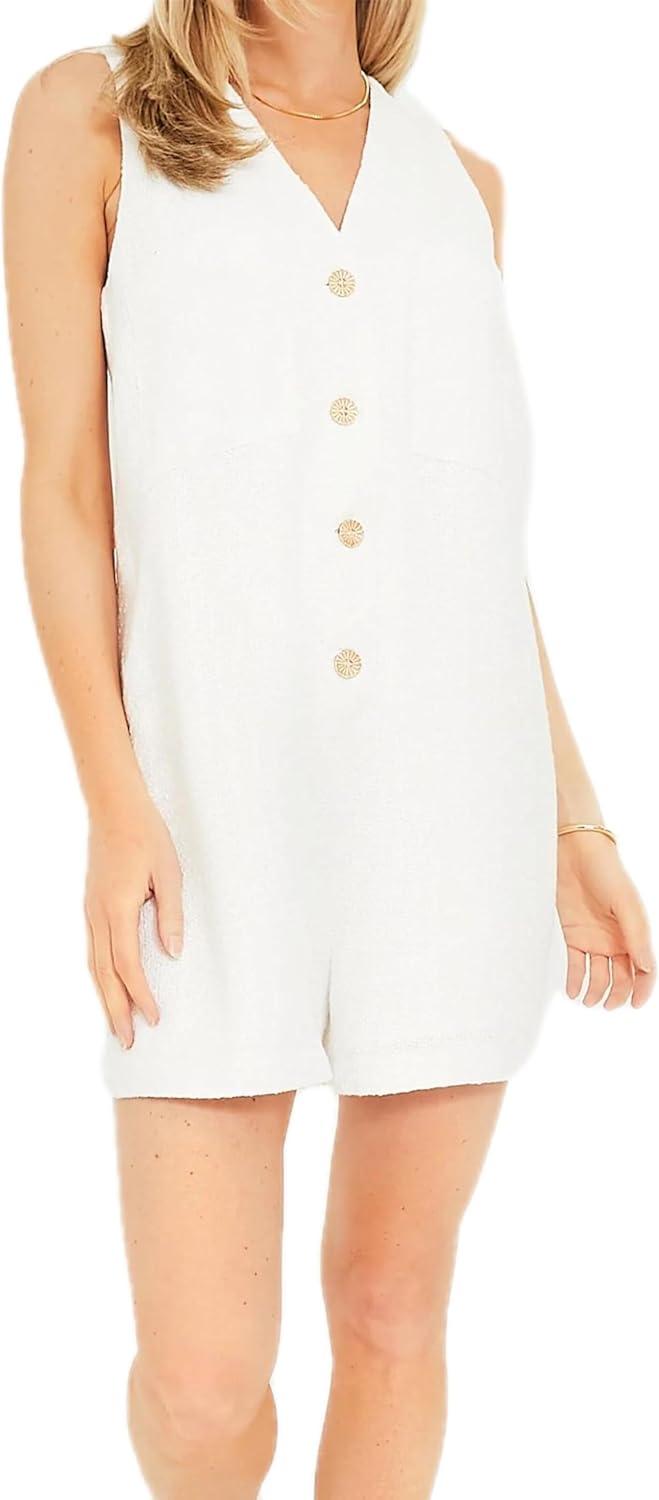
When you touch it, the tweed greets your fingers with a subtle, nubby texture — not slick, but not rough either. Your fingertips catch on the tiny raised threads of the weave, and areas where the fabric doubles or meets a seam feel noticeably firmer under pressure. Buttons and the placket add short, tactile ridges you naturally trace; elsewhere the surface gives a little, with a soft resistance rather than a slippery glide.
On your body it hangs with a quiet structure: it follows the line from shoulder to hem without collapsing into cling, yet it isn’t rigid. The bodice keeps a modest shape while the shorts fall with a gentle swing, and the fabric moves in small waves as you walk. You’ll find yourself smoothing the front or tugging at a shoulder seam when you reach or sit; when you do sit,the tweed tends to fold into broad,soft creases that relax after a few minutes of standing. Over the course of wear the hand and drape can loosen slightly, giving a bit more give where the garment has been worked by movement.
How the sleeveless V neck, button front and overall cut frame your proportions
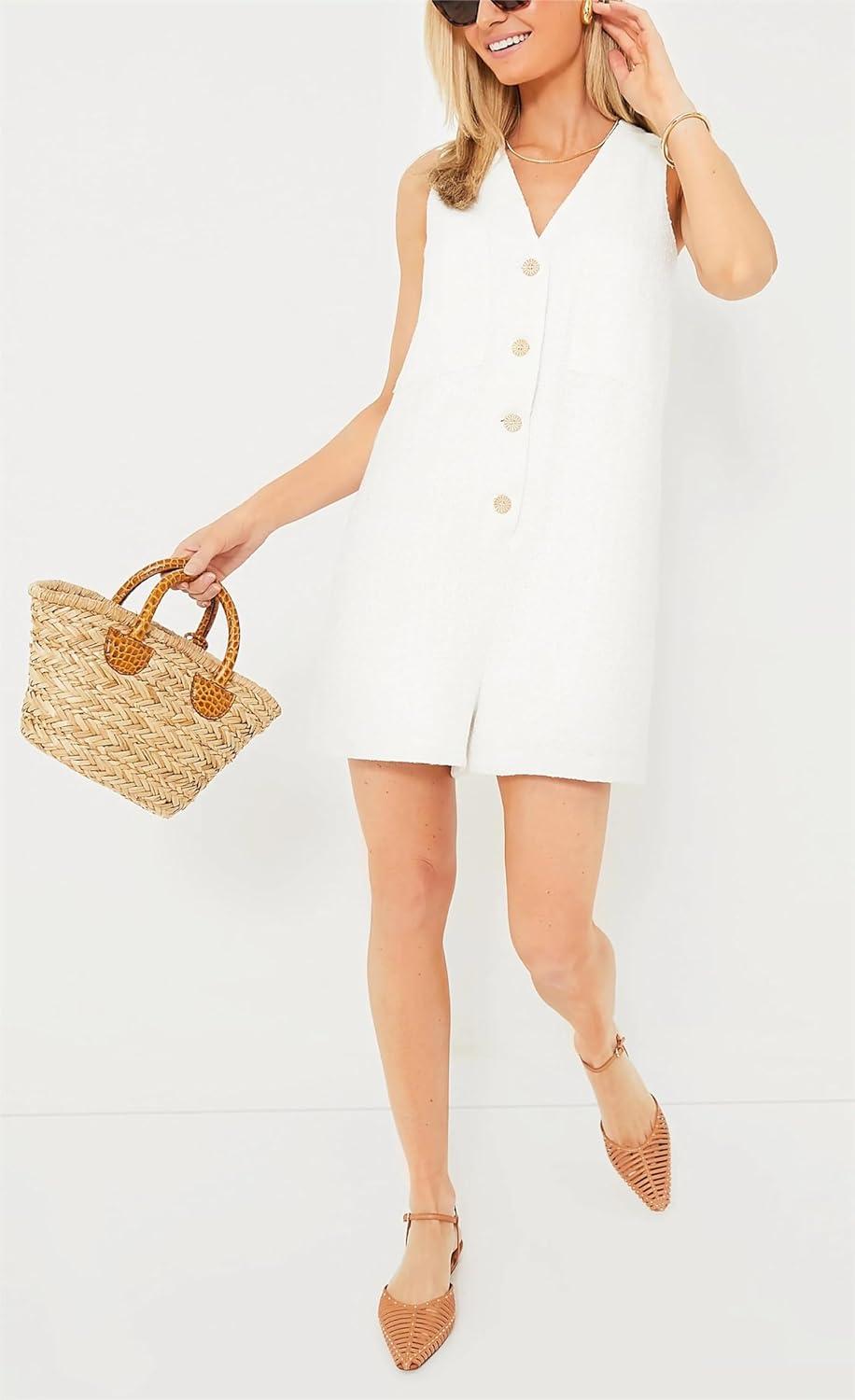
When you slide it on, the sleeveless cut immediately exposes the line of your shoulders and the top of your arms, so the top half of your torso reads more open.The V-neck drops to a modest depth and, as you move, that opening shifts the gaze down the center of your chest; it can make the space between collarbones and the sternum more visible, especially when you bend or reach. as there are no sleeves to interrupt the shoulder line, you’ll notice how the shoulder seams and armholes sit against the skin — they can ride slightly as you raise your arms, changing the way the neckline frames your clavicle over the course of an afternoon.
The button front stitches a vertical axis through the middle of your silhouette, so each glance tends to follow that down from neck to hem. As you button or unbutton the top few fastenings,the amount of cleavage and the apparent length of your torso alter subtly; even small changes in how many buttons are closed make the romper read a touch more elongated or more compact. The overall cut — where the waist falls and how the shorts skim your hips and thighs — negotiates between boxy and softly shaped as you walk, sit or smooth the fabric; seams shift, hems lift slightly, and the balance between upper and lower body can feel different sitting than standing.These are the everyday ways the V-neck, buttons and cut work together to frame your proportions while you wear it.
Where it lands on your shoulders, waist and thighs as you try it on and move
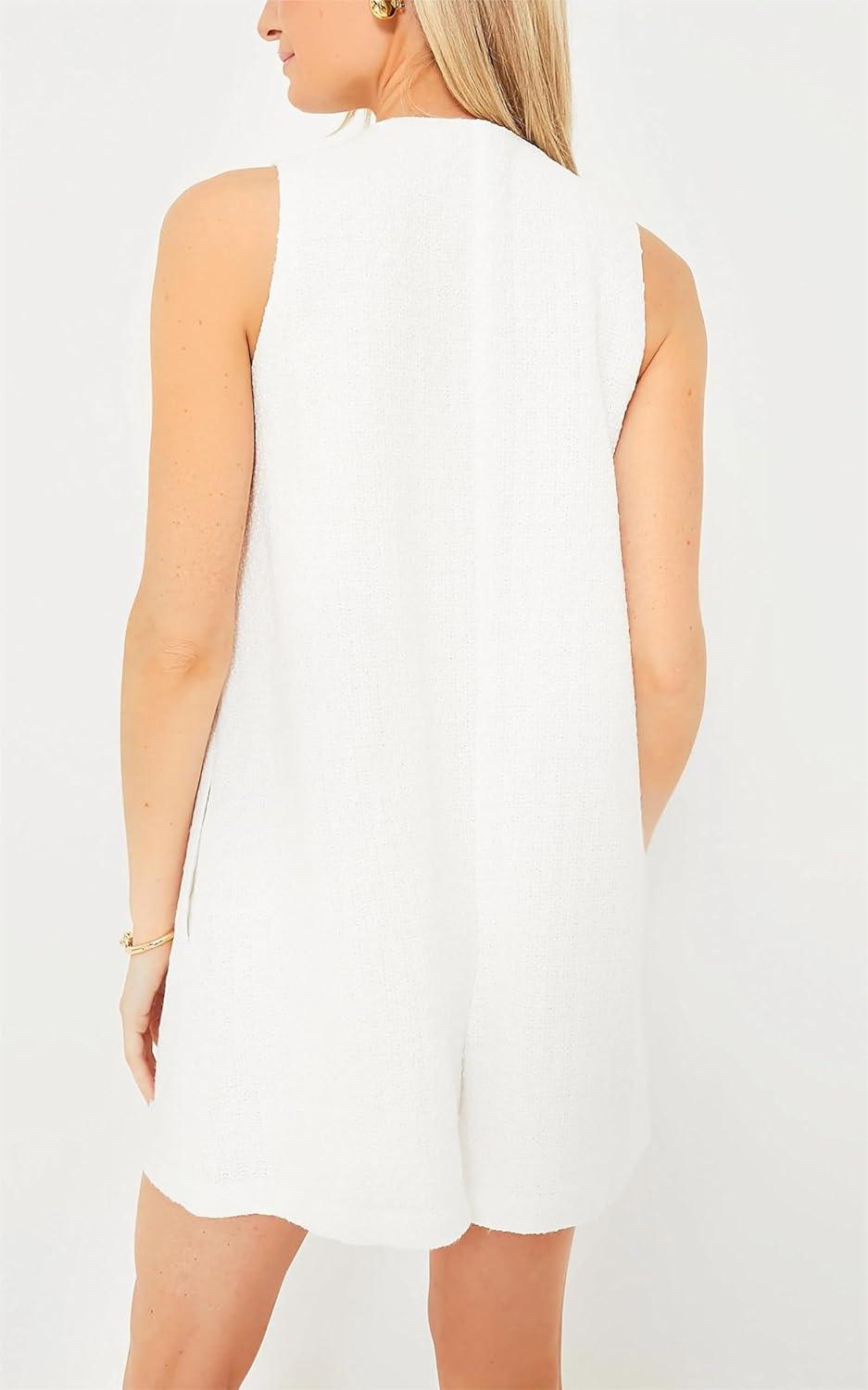
On your shoulders, the arm openings settle with a flat, slightly structured edge that follows the line where your shoulder meets your arm. When you lift your arms to pull the romper over, the shoulder seams nudge back a fraction; as you lower them again the fabric smooths but you might catch yourself straightening the seam or tucking the edge under the strap. Small movements — reaching for something on a high shelf or shrugging — make the armhole shift a bit, and the material sometimes rides a hair toward the back of the shoulder before settling again.
At the waist and across the thighs the piece finds its resting points and then adapts as you move. Standing still, the waist seam sits where you place it, but when you walk or sit it can shift: bending forward brings the waistband up slightly, while sitting down tends to relieve tension and let the rise ease forward.The short legs land on your upper thighs; stepping or crossing your legs pulls the hem up a few inches and you’ll likely smooth the fabric down with a quick, unconscious sweep of the hand. In normal motion the seams track along your hip and outer thigh, stretching and relaxing rhythmically rather than remaining perfectly still.
How it lines up with your expectations and the practical limits you might encounter
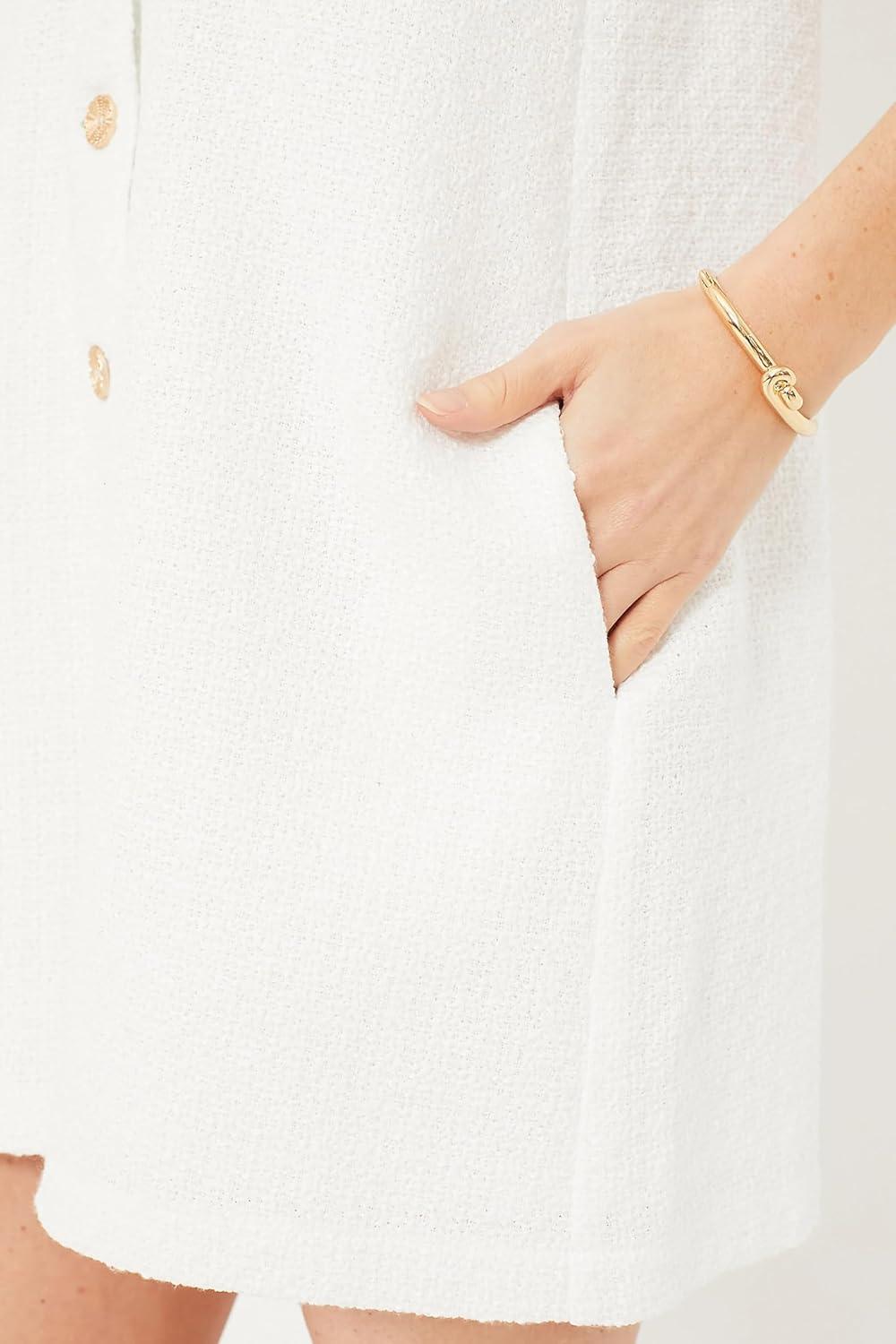
Worn through a few typical outings, the piece mostly behaves as a relaxed summer layer: the V sits open enough that the front moves with each reach, and the button line can gap slightly when the torso stretches.The romper drapes rather than clings,so the silhouette softens as the wearer walks; at rest the shorts fall smooth,but they tend to ride a little higher when sitting or climbing stairs. Small,unconscious adjustments — tugging at the armholes,smoothing the hip seams,re-centering the straps — happen in ordinary moments,which makes the garment feel like something that settles in rather than stays pristine all day.
In practical terms, the item shows a few recurring limits that emerge in normal use. Pockets lie flat and carry lighter items without much pull, but heavier objects make the fabric pull at seams and change how the front hangs. The fabric creases where it tucks or bends,so periods of prolonged sitting bring noticeable fold lines. Fastenings hold up under casual movement, though repeated stretching of the button placket can make the front gap more easily over time. Becuase it’s sleeveless and cut with a relaxed rise, layering under or over it tends to alter the neckline and armhole sit, and high-activity situations reveal the modest constraint of the short length. these are common wear patterns rather than abrupt failures, and they tend to appear gradually with regular use.
View full specifications, sizes and color options
How it behaves during your errands, when you sit and walk, and what routine care looks like
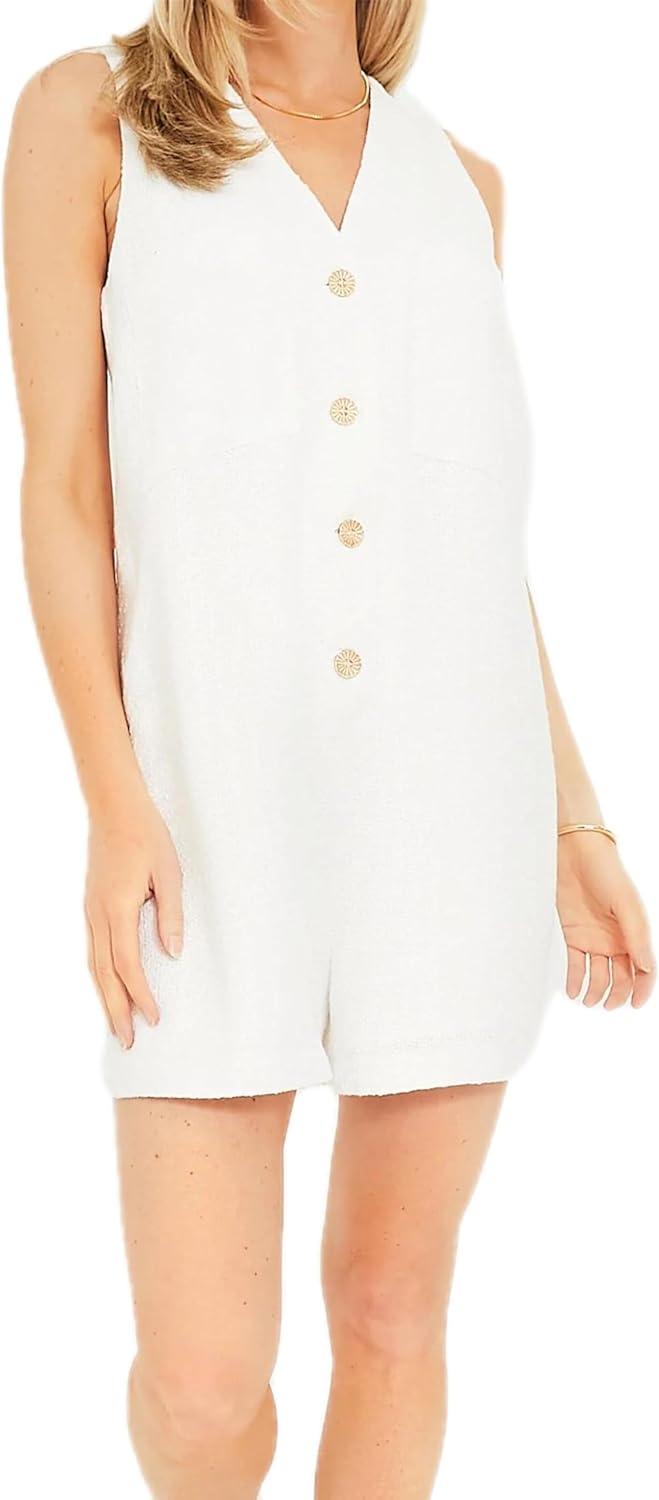
When you wear it running errands the romper moves more like a relaxed one-piece than a fitted dress: the body skims your torso and hips, so the fabric shifts with each reach for a shelf or when you lift bags.Arm movement feels unencumbered, and you’ll find yourself smoothing the front or hitching the shorts down after stepping out of a car or bending to tie a shoe. Walking produces a gentle sway at the hem; on longer strides the back can ride up a little and the front may tug across the lap when you sit, prompting the habitual tuck or smoothing motion most people make without thinking.
Actual care in daily life tends to be low-effort but a bit hands-on. after a full day you’ll frequently enough notice light creasing around the waist and where the fabric folds at the hips; a quick steam or a low-heat touch-up eases those lines. Washing routines commonly involve turning the piece inside out and choosing a gentler cycle, then reshaping it while damp and hanging to finish—spot-treating small marks as they appear is a regular, practical step.Over time the usual small adjustments (re-smoothing seams, re-centering straps) become part of wearing and storing it rather than a separate chore.
Its Place in Everyday Dressing
At first it reads like a considered choice, but over time and in daily wear the LifeShe Women’s Sleeveless Tweed Jackie Rompers Summer V Neck Button Down Short Jumpsuits Loose Overall slips into familiar use rather than fanfare. As it’s worn, the fabric softens and the fit relaxes, comfort settling into a steady presence while the cloth picks up the small, honest signs of aging that map everyday use. In regular routines it quietly becomes part of rotation.

)