

The first time you slip into BCBGeneration’s metallic cocktail dress, the fabric feels cool and a little resistant—not silky-smooth, but with a subtle grain were the metallic weave catches your fingertips. It hangs with a modest visual weight,so when you lift an arm the skirt follows in a slow,controlled swing rather than a floaty flutter. The seams at the shoulders and waist sit flat against your frame,and when you sit the metallic threads relax into soft ripples rather than sharp creases. Standing,the surface breaks light into narrow streaks; moving,it responds with a quiet shimmer that reveals how the hem keeps its line more than how loud the shine is. You notice it most in those small interactions—how it falls, how it moves—rather than from any single dazzling moment.
When you first see it on the hanger you get a sense of the dress at a glance
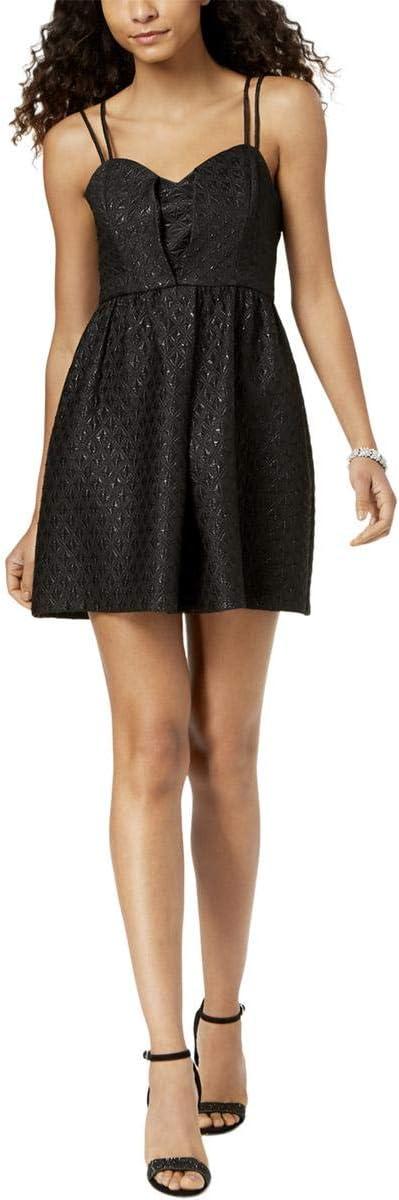
Hung up, the dress reads instantly as a short, shaped piece — the bodice hangs with defined seams that suggest where it will sit on your torso, and the skirt falls with just enough body to imply a gentle sweep rather than a cling. The metallic surface catches and throws back the light even while still, so you can picture how it will flash with movement and where highlights will land across the chest and hips.
When you lift it off the hanger, small habits kick in: you smooth the straps into place, ease the fabric at the shoulders, and your fingertips follow the hem to guess where it will hit your leg. Those swift, physical checks reinforce the first impression — the neckline’s curve, the placement of the waist seam, and the way the skirt is cut all become easier to imagine on your frame as you handle it. In most cases the hanger view gives a clear sense of balance and proportion before you ever step into it.
What the metallic fabric does when you walk into light
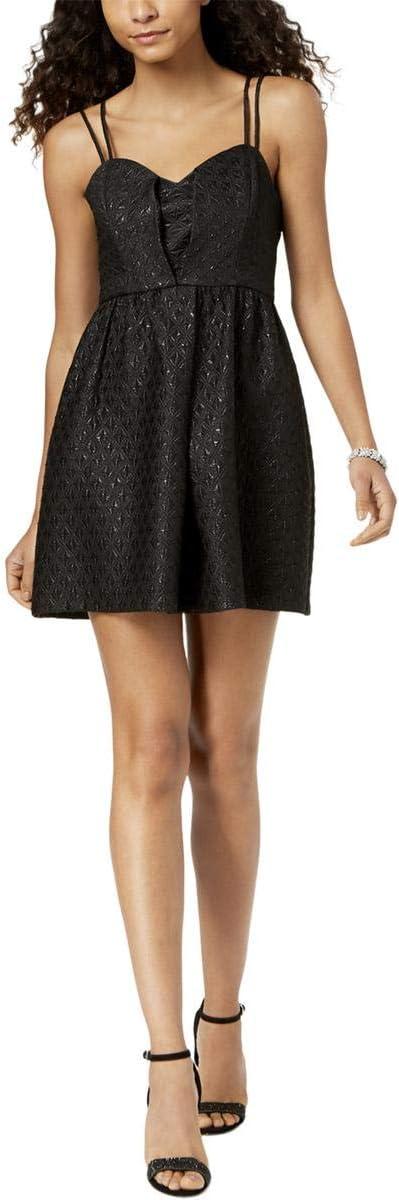
When you step into a pool of light the dress responds almost immediately: the surface catches the light in ribbons and darts rather than a uniform sheen. The front panels and any gathered seams pick up the brightest highlights,so as you move the brightest points seem to skim across the bodice and down toward the hem. Turning or lifting an arm sends thin streaks lengthwise along the fabric; standing still makes those streaks settle into softer bands that shift slowly with the way you breathe or cross your legs.
Different light sources change that behavior. A single spotlight or camera flash produces sharp, hard reflections that can look like brief flashes when you pass through them, while a diffuse ceiling glow reads as a more even, pearly shimmer. Creases, hand adjustments and places you habitually smooth—near the waist, under the arms, along the side seams—tend to concentrate or break the shine into lines and spots, so small movements bring subtle variations rather than a static glitter. Over the course of an evening the pattern of highlights keeps evolving; it’s less a single instant of sparkle than a small performance that follows your steps.
Where the seams and neckline fall and how the silhouette meets your proportions
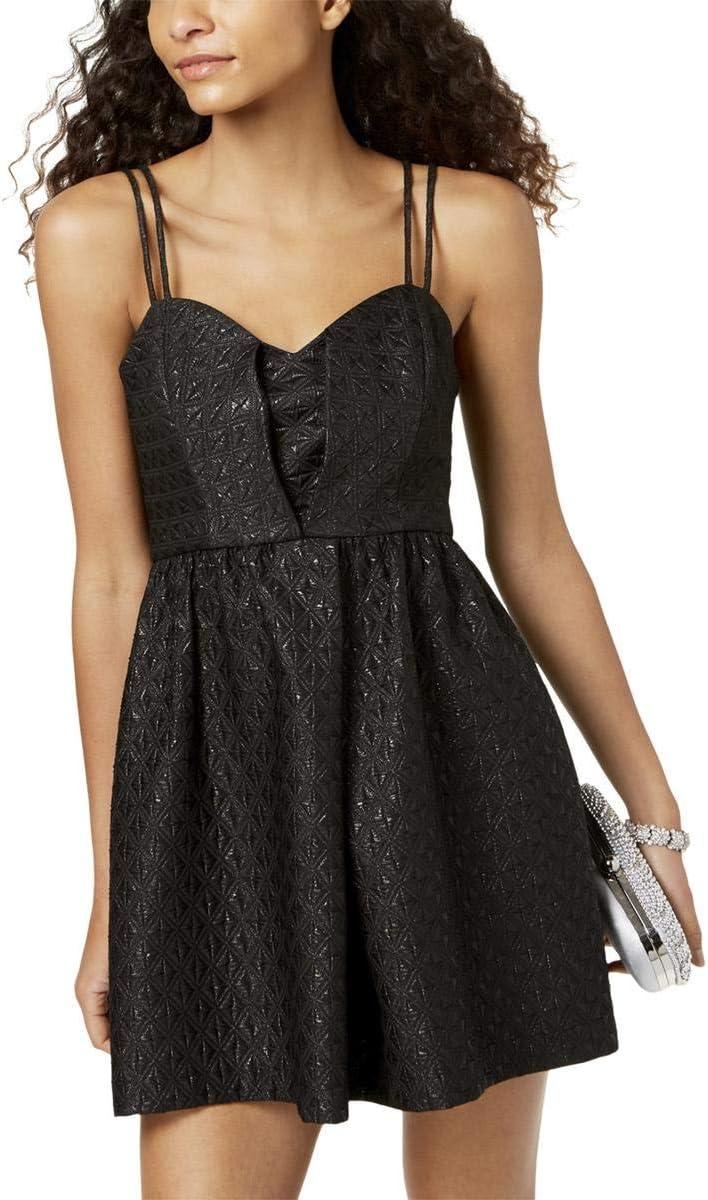
When you step into the dress the shoulder seams settle right at the outer edge of your shoulders, and the neckline frames your collarbones rather than disappearing behind them; as you move, the fabric shifts slightly, so the neckline can sit a touch higher or lower depending on how you hold your shoulders. The first few minutes often involve unconscious adjustments—smoothing the seam at the armhole or nudging the neckline back into place—before the edges quiet down and track with your posture.
The vertical seams run down the torso and follow the line of your body, so the bodice reads as a continuous column that skims over your contours. The waist seam (where present) generally falls near your natural waist,though it can feel a little higher when you stand fully upright and dip a touch lower when you sit; in motion the seams gently pull toward the direction you lean,creating small shifts across the hips. Overall the silhouette meets your proportions by mirroring the rise and fall of your posture rather than holding a rigid shape, which means seams will sit slightly differently after walking, sitting, or raising your arms.
How it feels as you move, sit, and reach
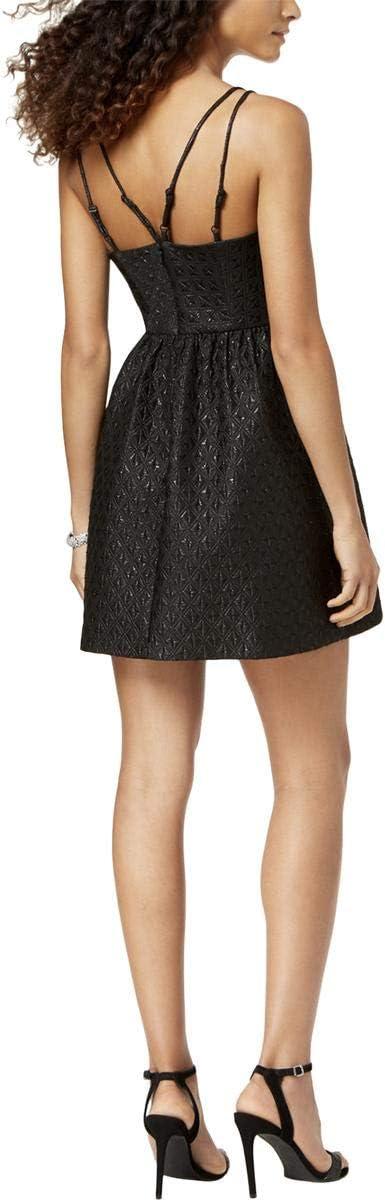
As you move through a room the skirt portion has a definite presence — it swings outward in a brief, controlled arc when you step, and the metallic finish catches and shifts with each turn. the surface gives off a faint, dry rustle as fabric brushes against itself; you find yourself smoothing the front or tugging the hem down at moments without thinking. The dress keeps its line around your hips, so motion feels more like gliding than billowing, and the lining occasionally slides against your legs as you walk, creating a subtle difference between the outer sheen and what you sense beneath.
When you sit, the front flattens and the sheen tightens into horizontal micro-creases across the lap for a short spell, while the back will sometimes draw in toward the zipper and lift the hem a little — you may shift position to redistribute that pull. Reaching up or stretching forward causes a gentle tension across the chest and shoulders; the fabric draws taut and you feel seams and edges settle against your skin. Over the course of an evening those small adjustments — smoothing straps, shifting a side seam, easing the hem — become habitual, happening almost without thought as the dress responds to different postures and gestures.
How the dress performs in real settings compared with that first impression
What registers as a bold, shimmery statement in photos or on a rack often reads differently once worn through an evening.Under dim, mixed lighting the metallic sheen picks up pinpricks of light along curves and seams, making movements register as tiny flashes; in bright daylight that same surface quiets down and the finish looks less mirror-like than the initial image suggested. The silhouette also relaxes with motion — the impression of a taut, sculpted line softens as the fabric follows natural shifts in posture and gait.
As the night unfolds, a few habitual adjustments tend to emerge: occasional smoothing of the front after sitting, a quick tug at a strap, or a discreet straighten of the hem after crossing legs. the surface can show faint abrasion where a bag or bracelet rubs repeatedly,and folding across the lap can produce short-lived creases that ease out with movement.Lining and seams reveal themselves in small ways — a subtle ride-up, the way the dress returns to place after a turn — all part of how the garment behaves in real, changing conditions rather than the static moment of first impression.
View full specifications,sizes,and color options on Amazon
What you notice after an evening out from shimmer to creases and fastenings
when you slip the dress off after a night of conversation and movement,the first thing that catches your eye is the finish: the metallic surface has a lived-in look where friction met fabric. Areas where your arms rested or your purse sat against the side frequently enough show a softer, slightly dulled sheen, and you may notice faint sparkles on your skin or on a light lining — small transfers that scatter around the neckline and shoulders. The skirt tends to crease where it folded over your lap; those horizontal lines across the front and the hem are more visible close up, and they stay put until the fabric hangs freely for a while.
Fastenings feel different in the aftermath as well. You find yourself smoothing the back seam and resettling the zipper, which lies flat most of the time but can catch a stray thread when you wiggle out of it. The straps and side seams sometimes sit a touch off after extended movement, prompting the habitual adjustments you barely notice while dancing. For some wearers, any gathering at the waist becomes more pronounced after sitting, creating tension lines near the closures that relax only after a short rest.Small imperfections — a tiny stitch pulled loose, a minute scuff where a clutch brushed the fabric — show up in close inspection, quietly chronicling the evening’s motions.
Its Place in Everyday Dressing
Over repeated wears the BCBGeneration Women’s Metallic cocktail Dress gradually blends into regular routines, its shine quieting and the fabric learning the body’s rhythms. Comfort shows itself in small ways — hems soften, straps settle — and the piece moves less like an declaration and more like an available choice in daily wear. In the cadence of getting ready it arrives at familiar pockets of time, as it’s worn into the ordinary practice of dressing. Over time it becomes part of rotation.

