

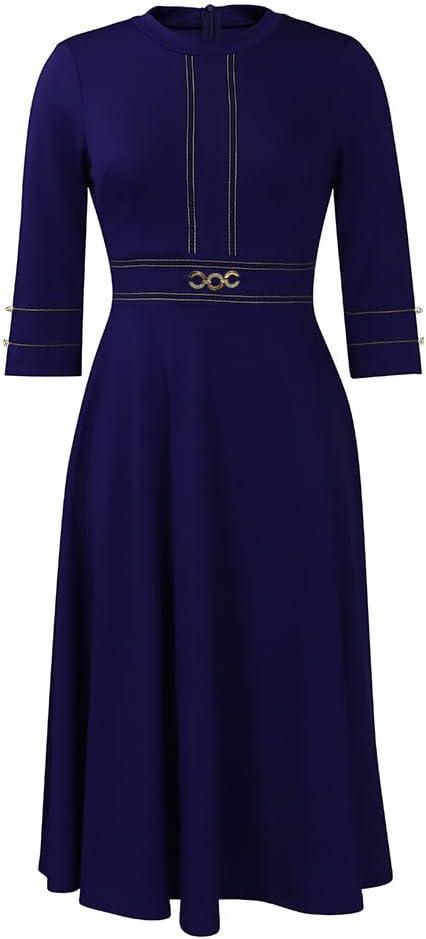
You slide into Elainone’s 3/4-sleeve A-line midi and the first thing you notice is the fabric’s medium weight — substantial enough to hold a shape but soft where it meets your skin. As you stand, the skirt settles into a smooth A-line, seams at the shoulders sitting flat while the sleeves rest against your forearm without tugging when you lift your arms. A few steps later the hem swings with a controlled sway rather than billowing, and when you sit the material compresses neatly instead of bunching, making the dress feel quietly composed from the very first moments of wear.
On first sight you take in the three quarter sleeves, A line silhouette and midi sweep

At first glance your eye is snagged by the sleeves: they stop a little shy of the wrist, exposing the lower forearm and creating a brief break between arm and hand. The three-quarter length sits neither tight nor billowy; as you lift a cup or reach for a door handle the fabric shifts, the sleeve sliding up an inch or two or settling back into place if you give it a quick tug.Those small, unconscious adjustments — a finger smoothing the cuff, a wrist turned to tuck hair behind an ear — register as part of how the sleeves read in motion, not only how they look standing still.
The dress falls into the classic A-line shape as soon as it reaches your waist: the fabric narrows in at the torso and then opens into a gentle flare. From different angles the silhouette keeps a clear, triangular line, the skirt sweeping away from the body rather than clinging.When you walk the flare becomes more obvious — folds form and relax across the hips, and the skirt swings outward just enough to trace a soft arc with each step.
The hem itself finishes at a true midi length, grazing the lower calf. While standing it hangs with a steady, even line; in motion that line becomes a crescent, skimming the shin and occasionally brushing the heel when you pause or turn. After sitting for a spell you might notice the skirt needs a quick smooth down along the hem and seams — a small, habitual motion that reveals how the midi sweep behaves over time as you move through an event.
When you touch it the fabric weight, drape and finish become clear under your hand
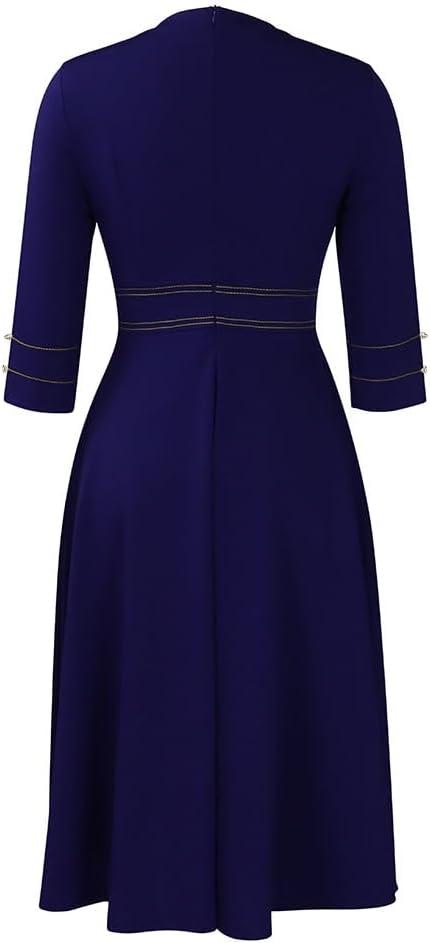
When you settle into it and run a hand along the fabric, the weight registers as a subtle presence rather than a tug — enough substance to let the skirt hang with a rounded line but light enough that it moves when you walk.As you smooth the bodice or pull the sleeve into place you notice how the material follows the contours beneath your palm, the drape becoming clearer as the fold falls away and the skirt sways.There’s a slight give at seams and at the waist where the cut meets your body; your fingers pick up that junction differently than the open expanse of the skirt.
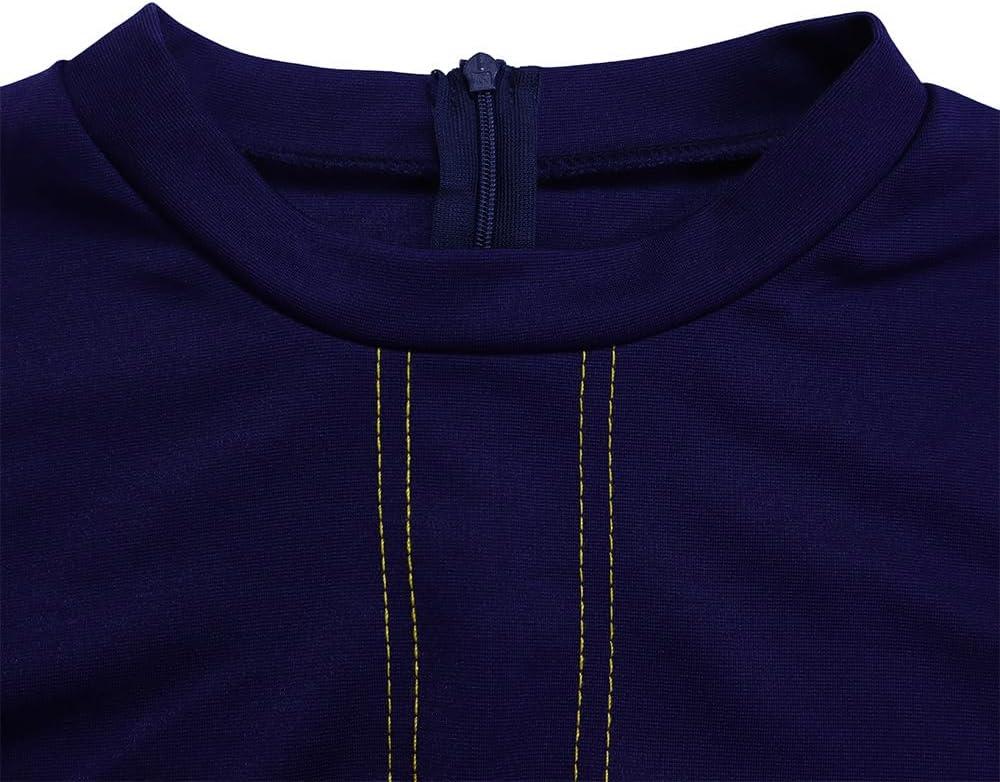
Under your hand the finish reads as modestly smooth with a faint catch where the fabric meets lining or stitching, and in some lights you can feel a whisper of sheen across the surface. You’ll find yourself instinctively adjusting the sleeve or smoothing the hem after sitting, partly as the fabric keeps a soft memory of those movements and partly because the drape settles differently over time. The overall impression while worn is one of composed weight and a relaxed fall,qualities that appear gradually as you move and touch.
Moving around you watch the skirt flare, the waistline settle and the sleeves hang in motion
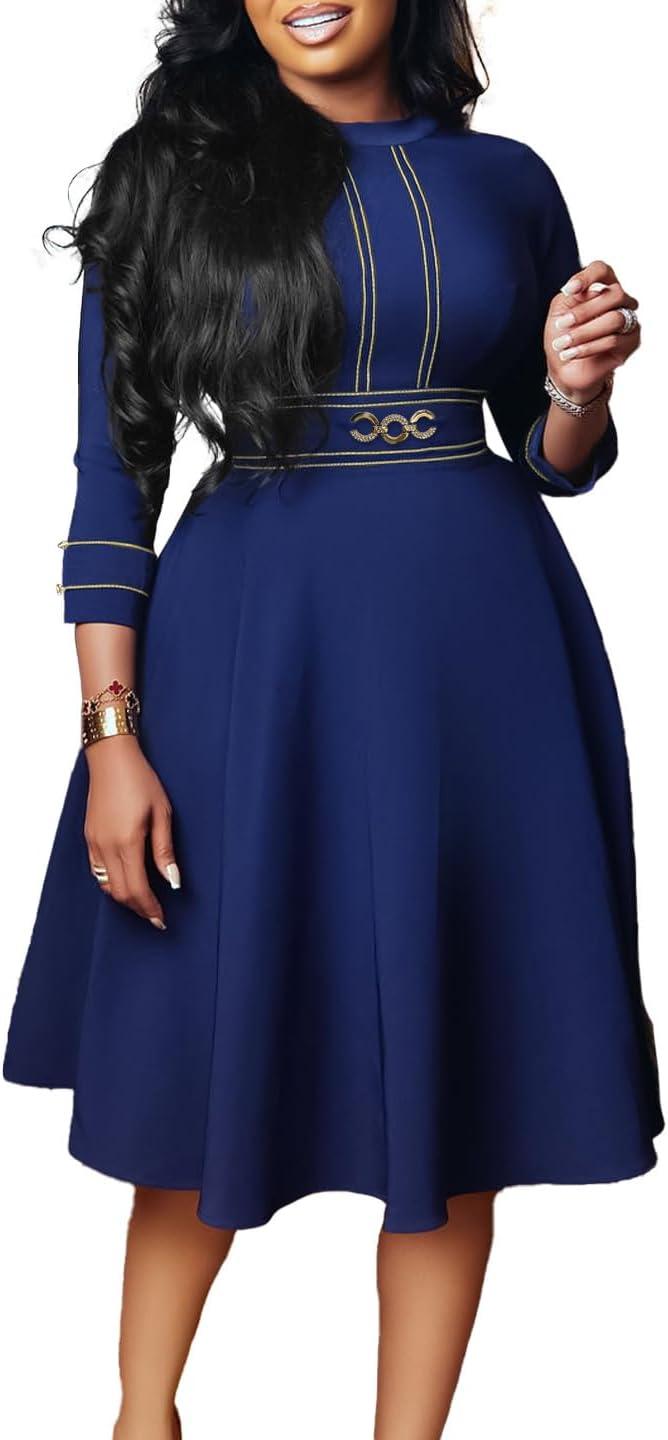
When you move, attention drifts first to the skirt: with each step it lifts and opens slightly, then falls back into a rounded silhouette.The flare is responsive rather than theatrical — a gentle bloom as you walk, a softer ripple when you turn, and a brief widening as you cross a step. Standing still, the hem settles into an even line that reads differently after a few paces than it did when you first started moving.
The waistline follows the same small choreography. It compresses as you inhale or reach, then eases back into place; you can feel and see the seam realign along your torso after a stride or when you pause. on occasion you smooth the fabric where the waist has shifted, an unconscious adjustment that nudges the dress back to the line it held moments before.
The sleeves add a quieter motion. They hang and sway with your arms — catching when you gesture, brushing when you rest your hands — and tend to fall into a neat fold if you lift your forearms. you may find yourself nudging them up or down without thinking, the fabric settling differently after being pushed or smoothed.Taken together, these movements create a sense of the dress living with you rather than staying fixed around you.
Sitting, standing and reaching show how the waist shaping, sleeve length and hem behave on your body
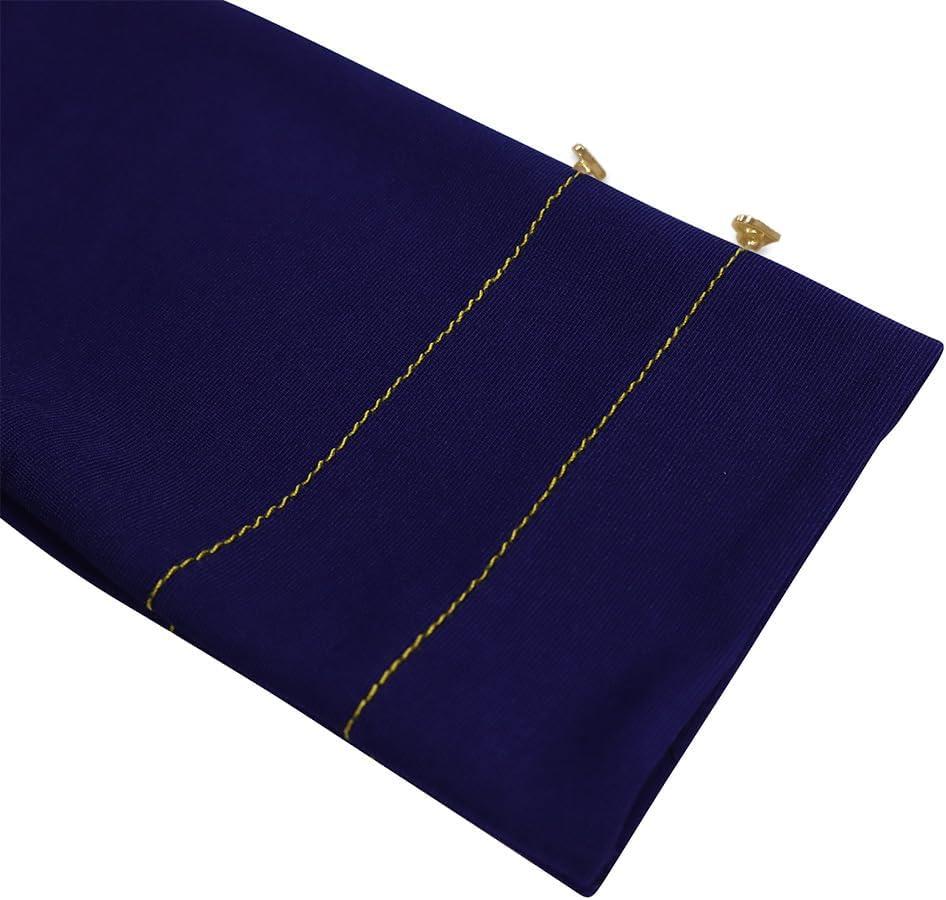
When standing, the garment’s waist shaping usually sits at the intended waistline and reads as a defined seam rather than a drawn-in silhouette. Sitting compresses that same area; the fabric gently gathers at the front and the waist seam can flatten against the body, which slightly shortens the visual rise. Reaching forward pulls the torso panel taut across the abdomen, showing the shaping lines more clearly and creating a small horizontal tension at the seam for a short moment.
The 3/4 sleeves sit near the mid-forearm while upright, but reach or lifting the arms tends to push the sleeves upward toward the elbow. That shift is often gradual — a couple of pushes of the sleeve, a stretch of the arm — rather than a sudden ride. Some wearers will find themselves smoothing the sleeve back down after sitting or bending, and the fabric usually relaxes back into place within a minute or two.
As for the hem, it falls to a midi length when standing but climbs noticeably when seated, often resting several inches higher on the shin and occasionally exposing the knees. Moving—stepping, crossing legs or leaning—sets the hem swinging and then settling; reaching forward can lift the front hem a little as the torso leans. Over short periods the hem tends to fall back toward its standing position, tho the exact amount of ride-up varies with posture and movement.
View full specifications and available sizes
How the dress aligns with your expectations and the practical limits you encounter
When worn, the dress generally presents the expected A-line silhouette: the skirt opens away from the body and allows for a visible swaying with each step, while the three-quarter sleeves sit around the forearm and tend to reveal a bit more wrist when arms are lifted. Over the course of an event, the bodice keeps its intended shape but can show subtle horizontal creasing across the torso after extended sitting; smoothing the fabric and shifting seams becomes a small, recurring habit.Movement highlights how the hem responds — it hangs fairly evenly when standing, yet the front can lift slightly when navigating stairs or settling into a chair, briefly altering the visual line of the dress.
Practical limits emerge in everyday use: there is little give in the construction, so bending forward or reaching up brings a tightening sensation at the waist and along seam lines, and the sleeves may slide and need occasional repositioning. The fabric’s surface can collect faint impressions where arms rest or where a clutch presses against the hip, and the skirt’s sweep occasionally tucks against edges when seated, requiring a discreet nudge to fall back into place. These tendencies tend to develop gradually over wear rather than appearing immediately, shaping how the garment performs across an evening.
View full specifications, available sizes, and color options
Across an event you notice how it travels, wrinkles and what care it asks of you afterward
Across an event the dress announces itself less by sudden shifts than by a steady choreography of small movements: the skirt swings outward on each stride and settles again when standing, the hem brushes the knees when seated, and the seams at the side occasionally drift a fraction as the torso turns. Sleeves that finish around the forearm can slide up toward the elbow during activity, prompting habitual tugs and the occasional smoothing of the fabric at the shoulders. In crowds or on the dance floor the silhouette keeps an A-line swing rather than clinging, while the bodice and waist tend to remain where they were positioned at the start of the evening.
wrinkles most often appear where the body bends — across the front of the thighs after sitting, at the elbow crease where the sleeve folds, and in small horizontal lines under the arms — and some of those creases relax simply by hanging. Wearers commonly find themselves smoothing the skirt or adjusting seams between activities; a few persistent puckers around the elbows or along the back can remain after the event unless the garment is left to hang. Afterward the garment typically asks for basic attention: airing or hanging to settle the skirt, and a brief pass with a heat or steam source removes most of the surface creasing observed after movement.
View full specifications and available sizes and colors
How It Wears Over Time
over time the elainone Women 3/4 Sleeve A-line wedding Guest Dress Church Semi Formal Casual Midi Dresses for Cocktail Prom Tea Party shifts from an occasion piece to something that quietly lives in the closet and gets pulled into daily wear. As it’s worn the fabric loosens and comfort settles into routine, and small changes in texture and drape register like notes on repeat rather than corrections to be made. It simply rests in regular routines and becomes part of rotation.

)