

The first thing you notice stepping into the Black Daisy Selina high-rise skinny jeans is how the fabric settles—snug at the waist, then smoothing over the hips into a long, close leg. The denim feels midweight in your hands and on; it gives where you bend but keeps a clean silhouette as you shift from standing to sitting. The released split at the front hem barely registers until you walk, when it parts and lets the legline fall a fraction differently with each step. Seams sit flat against your skin and the faded wash lightens the visual weight, so the jeans read less heavy than their fit feels. On first wear it’s more a contained, lived-in fit than anything abrupt—a presence you notice most in motion.
At first glance how the Black Daisy Selina high rise skinny looks on you
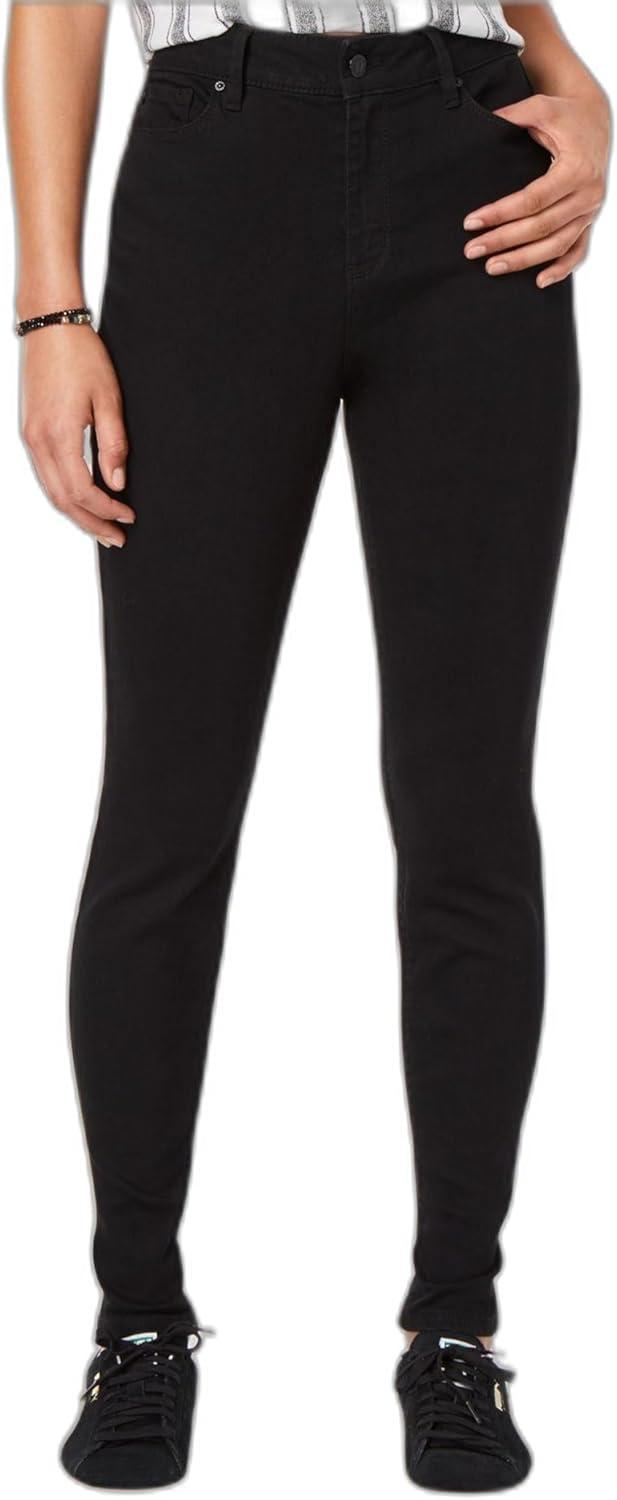
From the moment you catch your reflection, the silhouette reads in a straight, narrowed line down your legs. Standing still, the fabric follows your posture closely, so a slight shift of weight makes one thigh look a touch more defined than the other. up close, the eye is drawn to the ankle area first; there’s a compact finish there that frames the lower leg and makes the rest of the length feel continuous.
When you move,the hem breathes with each step—parting a little at the front and settling again when you pause. Small creases form where you bend, then relax back as you adjust your stance; you find yourself smoothing the front unconsciously and giving a rapid hitch at the back when you sit.Light catches differently as you walk, so the line alternates between soft and a bit more pronounced depending on position.
At a glance from across the room the overall effect is tidy and uninterrupted, while closer inspection reveals the garment responding to your motions—tucking, untucking, sometimes slipping over the top of a shoe. Those tiny, repeated interactions shape how it reads on you in the first few minutes: familiar gestures, brief corrections, and the way the cut settles into your natural rhythm.
the denim up close what it feels like when you run your hand over it
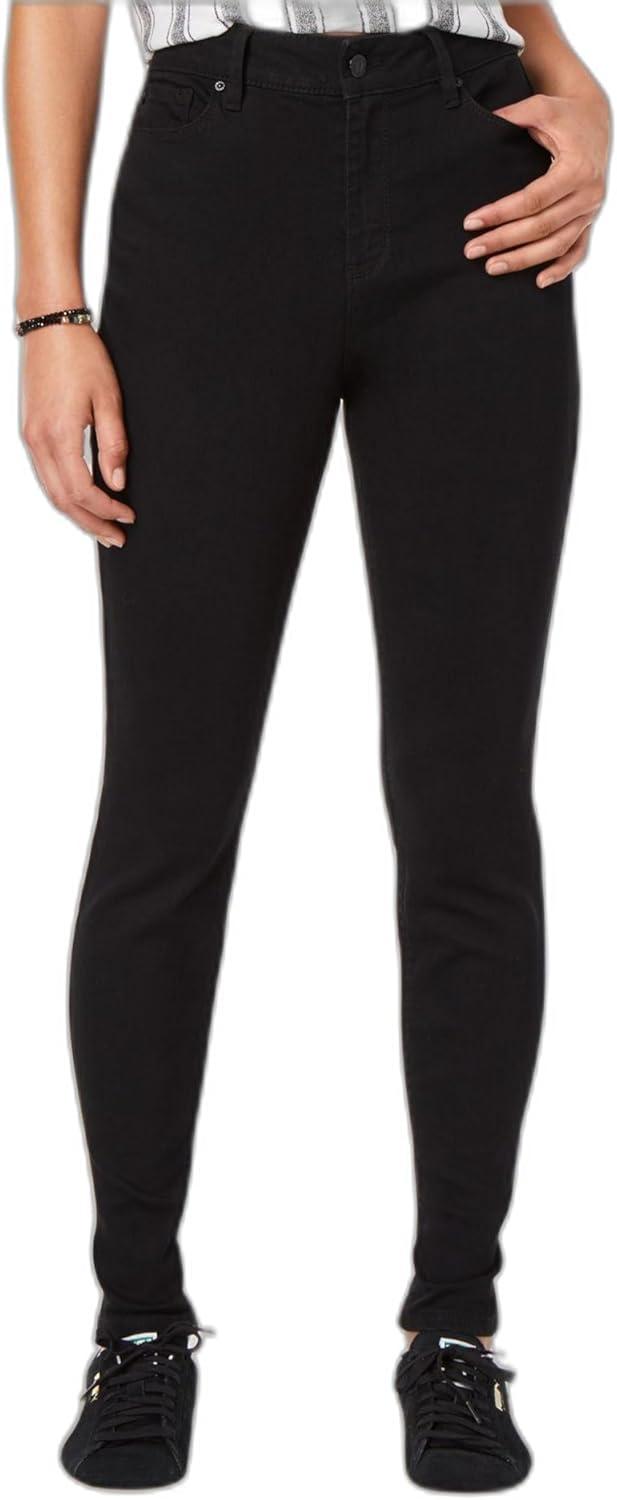
When you glide your hand over the denim while it’s on, the first thing you notice is a dry, faintly fibrous surface that gives way under pressure. your fingertips trace tiny ridges in the weave and feel a quick, springy response as the fabric resumes shape; press a little longer and the warmth from your skin softens it, so areas you touch often feel subtly smoother than the rest. There’s a low, papery rustle when you sweep your palm along the thigh.
Small habits surface without thinking — you smooth the seat after you stand, tug the leg straight with a thumb along the seam, rub at the inner thigh where the fabric folds.Those motions reveal differences: some stretches feel plush and forgiving, others return with a faint rebound against your skin. At the edges where stitches run, your hand notes firmer lines that anchor the stretch, and when you move the denim slides against itself with a soft, controlled friction rather than slipping freely.The overall impression is of a lived-in texture that changes subtly as you live in it.
Where the waist and hips sit and the leg line they form on your body
The waistband settles up around your natural waist and feels like a steady anchor more than a boundary; when you stand it sits fairly flat across the front, but as soon as you bend or sit you’ll notice it tilt forward a touch and then need a quick hitch back up. You catch yourself smoothing the back occasionally—there’s a subtle pull at the small of the back after moving from sitting to standing, and you’ll tug the band once or twice during a long day.
Across your hips the fabric tracks your curves closely, following the fall of your body rather than creating extra volume. As you walk the line of your hips shifts with each step; one side can ride a hair higher if you favor a leg, leaving the hem a little uneven until you shift weight and it settles again. Small horizontal creases appear where your thighs flex when you sit, then flatten out as you rise.
From hip to ankle the leg draws in steadily and reads long on you,a narrow column that lengthens when you stand tall and shortens slightly when you bend. In motion the silhouette tightens behind the knee then straightens, and after prolonged sitting you’ll notice a little tug at the back of the knee that prompts a quick readjustment — minor, habitual movements that reveal how the line behaves over time.
What you notice while wearing them through walking sitting and bending
When you walk, there’s a slow give and take: the fabric follows your stride, tightening briefly across your thighs on the longer steps and then easing as you land.The leg moves with you rather than flapping; the lower edge follows the motion of your foot and brushes shoes on occasion,and small wrinkles migrate toward the back of the knee with each step. You find yourself shifting weight slightly when you speed up, a tiny hitch to keep the fabric from pulling at the hip.
Sitting down tugs the waist and seat into a new rhythm; the waistband presses a touch more across your abdomen and the seat smooths or gathers depending on how you cross your legs. You notice the front folds that appear as you lean forward and how they relax when you stand again. Reaching into pockets while seated feels different—the access shifts and a quick smooth of the hand across your thigh is almost automatic.
When you bend, the garment composes itself around the curve of your hips and the back of your knees, making pronounced creases where the fabric compresses. Returning upright frequently enough requires a small readjustment—a tug at the hem, a pull at the back to reposition the rise—habits you don’t think about until you catch yourself doing them. Over the course of shorter moves the fit settles into a familiar behaviour; after longer wear the motions become less fussy, though the same tiny adjustments reappear with certain activities.
View documented specifications and available options
How these jeans line up with what you expect and the practical limits they reveal
When you step into them they settle against your waist and thighs in a way that feels precise at first, then loosens in small increments as the day moves on.You’ll find yourself smoothing the front once or twice after sitting,and there’s a small,automatic tug at the waistband when you stand up from a low seat. Those little mid-day adjustments—pulling the rise up, shifting a pocketed phone—become part of how the jeans live with you rather than something you think about consciously.
As you walk and bend the leg follows closely, so motion reads as much in straps and seams as in silence. the hem opening alters the silhouette when you take a wider step or climb stairs; it can swing forward or catch against a shoe edge on occasion, and when you crouch there’s a predictable pull across the thighs that eases once you straighten. Pockets and back movement register as tiny shifts: a phone creates a subtle tilt when you sit, and repeated leaning makes creases deepen where the fabric flexes most.
After several hours the fabric shows its tendencies—creases that stay, slight give where you tug most, and a moodier fade in areas that see constant friction. You find yourself resettling hems,adjusting the waistline after a long stretch,or smoothing a thigh seam without thinking,small rituals that reveal both how closely the jeans track your motions and the practical limits of that close fit.
How they look and hold together after a few wears and a wash
after a few wears the fabric softens against your skin and the creases that form when you sit or bend stop snapping back as sharply. The contrast where the jeans fold—across the knees and where your thighs rub—becomes subtler,the original lines smoothing out into gentler,lived-in shadows. You find yourself smoothing the front hem once or twice as you walk; it settles differently after a day of movement, leaning a touch more to one side if you cross your legs often.
One wash blurs some of the sharper contrasts and the overall color feels a little more muted; seams and stitching remain where you expect them, though you notice a faint halo of surface fuzz along stress points inside the thighs and near the hem splits. The hardware behaved the same on the few cycles I tried, and the closure still closes without fuss, while the waist relaxes a little after being worn and tugged through the day.
Small habits show up: you tug at the rise when standing from low seats, and the hems require an occasional nudge back into place after a long walk. Overall the pair looks lived-in rather than worn-out—creases soften, edges mellow, and the garment moves with the rhythms of your day.
A Note on Everyday Wear
After a few wears the Black Daisy Juniors Selina High Rise Skinny Jeans Black 13 stops feeling new and starts to settle into your days: in daily wear the denim softens where it moves and the fit learns the rhythm of your routine. As it’s worn the fabric relaxes a touch and comfort shows itself in small, unnoticed ways rather than announcements. In regular routines it becomes one of the quieter choices you reach for, folding into habits more than demanding attention. Over time it settles into the rotation.

