

You slide into the Black Halo Lena jumpsuit and the first thing you notice is the weight — not heavy, but substantial enough to hold a clean line. The fabric skims your shoulders and then settles; seams and discreet boning give the bodice a quiet structure that reveals itself when you reach, twist or sit.As you stand the legs hang with a measured drape, resisting cling and keeping the silhouette composed even when you move across a room. The rectangular cutout at the neckline reads precise rather than delicate, while the woven crepe feels smooth against the skin and keeps small wrinkles at bay. Pockets rest flat against your hips and the whole piece swings with a calm,steady rhythm that you only really notice after a few minutes of wear.
At first glance what the Black Halo Lena jumpsuit tells you about its shape and tone
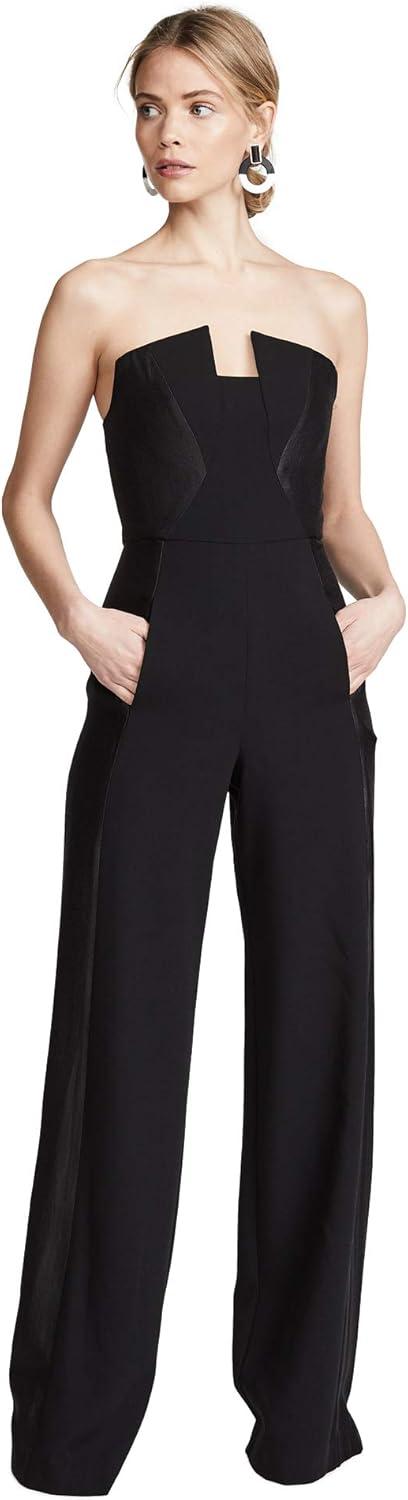
At first glance you notice a decidedly structured silhouette: the vertical seams running down the center front and back read as visual lines that pull the eye up and down, suggesting length through the torso. The rectangular cutout at the center front neck instantly anchors attention high on the body, while the visible boning and tailored paneling make the bodice look deliberately shaped rather than draped.
As you shift or smooth the fabric with a hand, those seams continue to assert themselves, guiding focus toward the waist and then outward to the hips where the pocket openings sit. The pockets add a small, horizontal counterpoint to the otherwise vertical vocabulary, so the overall tone comes across as architectural and composed — the kind of piece that can feel concurrently disciplined and quietly deliberate in motion, at least in most brief encounters.
What the lines and cut tell you about how it sits on your waist and shoulders
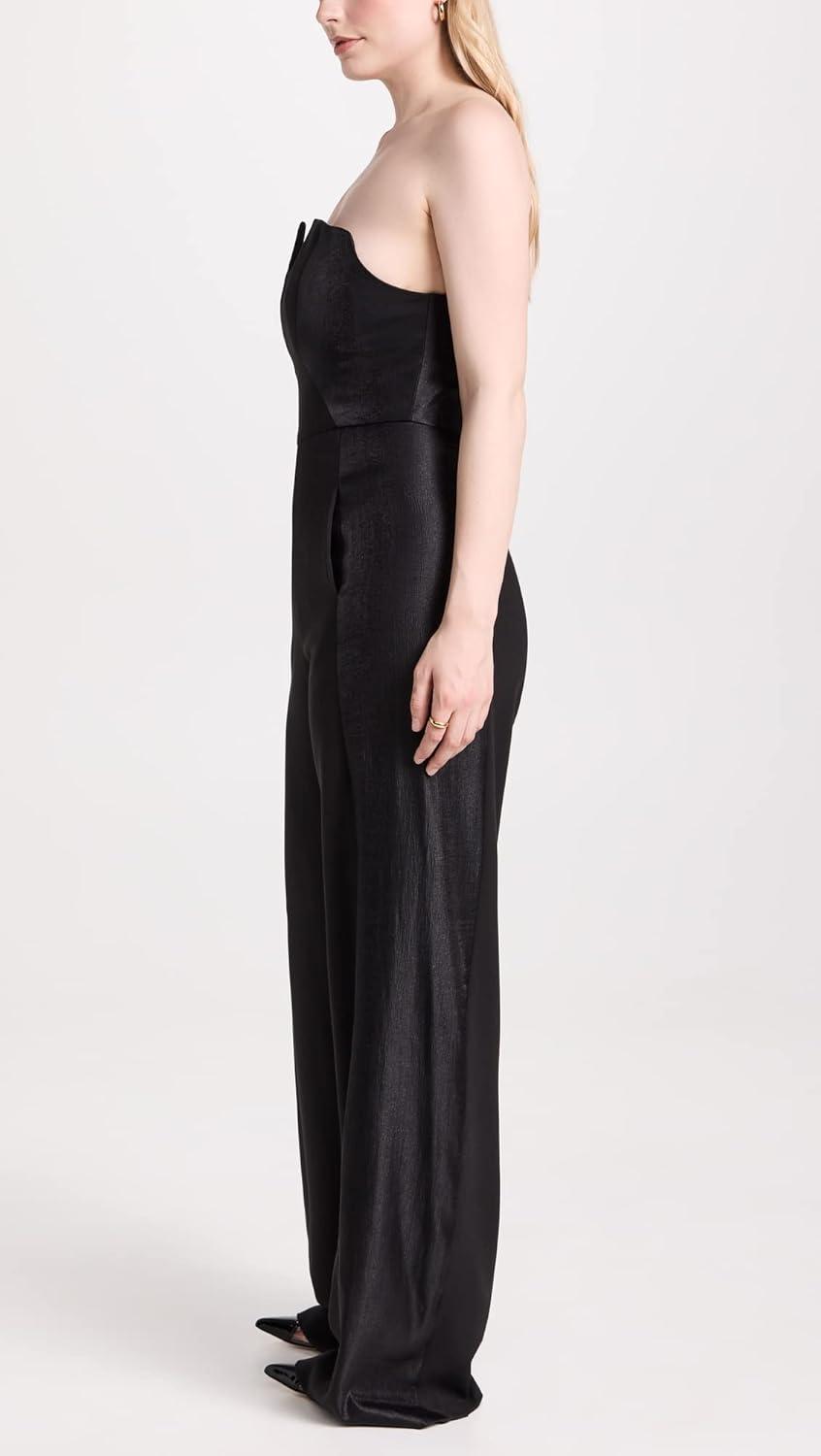
When you put it on, the vertical seaming down the center front and back immediately reads as a guiding line for how the jumpsuit sits on your torso. Those seams help the fabric fall along your midline, so the horizontal waist seam usually lands near—sometimes slightly above—your natural waist when you’re standing. As you move, the seam can climb a little with each stretch or come to rest a touch lower after you’ve been sitting; you’ll notice yourself smoothing the area once or twice as the garment settles.
The boning and the tailored cut of the bodice give the upper portion a more structured feel, and that structure translates to the shoulders. The neckline’s rectangular opening and the way the shoulder seams are cut create a squared silhouette at the top, so the shoulder line reads as anchored rather than sloped.When you raise your arms or reach forward the bodice holds its shape, which can make the shoulder area feel more contained; after a few hours of wear the seams soften slightly and the shoulder line relaxes with your movements. Small habits—adjusting the armholes,smoothing the straps,nudging the seams back into place—are natural as the jumpsuit finds its rhythm on your body.
how the fabric drapes and feels against your skin as you move
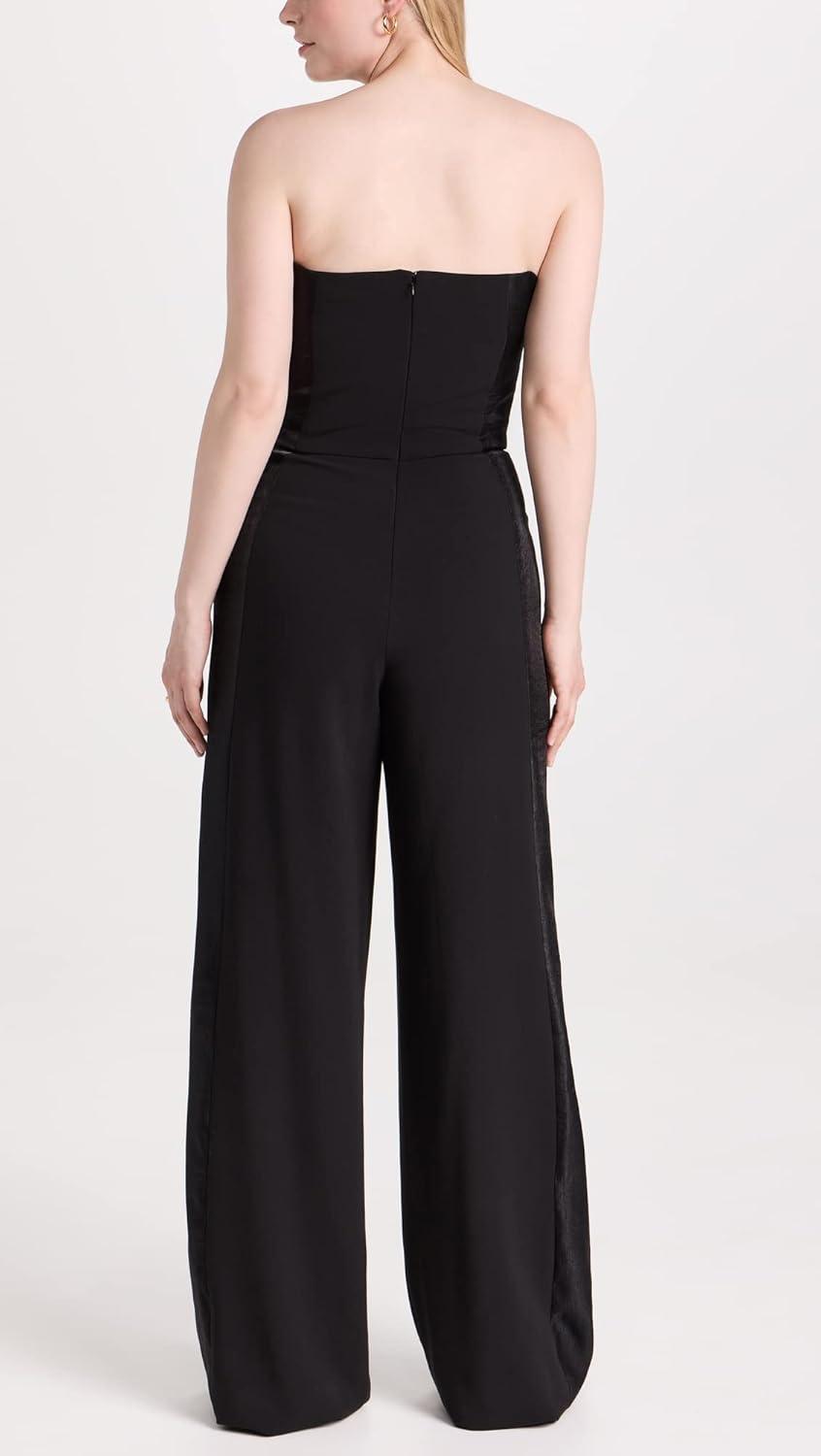
When you step into it the fabric settles against your shoulders and then eases down,skimming your torso rather than clinging. As you walk, the material moves with you in long, vertical lines—the drape follows the fall of your body so that the legs swing smoothly and the bodice keeps a defined shape. When you lift your arms the fabric shifts at the shoulder and across the back, and you may find yourself subconsciously smoothing the sides or adjusting the neckline once or twice as the seams settle into place.
Against your skin the hand is mostly smooth with a slight texture you notice when your bare arm brushes the sleeve or when the jumpsuit crosses your thighs while seated. Sitting down compresses the drape across the lap and can cause a faint pull at the crotch seam; standing up the fabric relaxes back into place. Pockets and the structured elements at the front introduce small points of tension when you move, so you’ll sometimes shift a hip or slide a hand to ease the fabric — small, habitual adjustments that happen naturally as the garment responds to motion.
How it fits when you walk, sit and reach for your bag
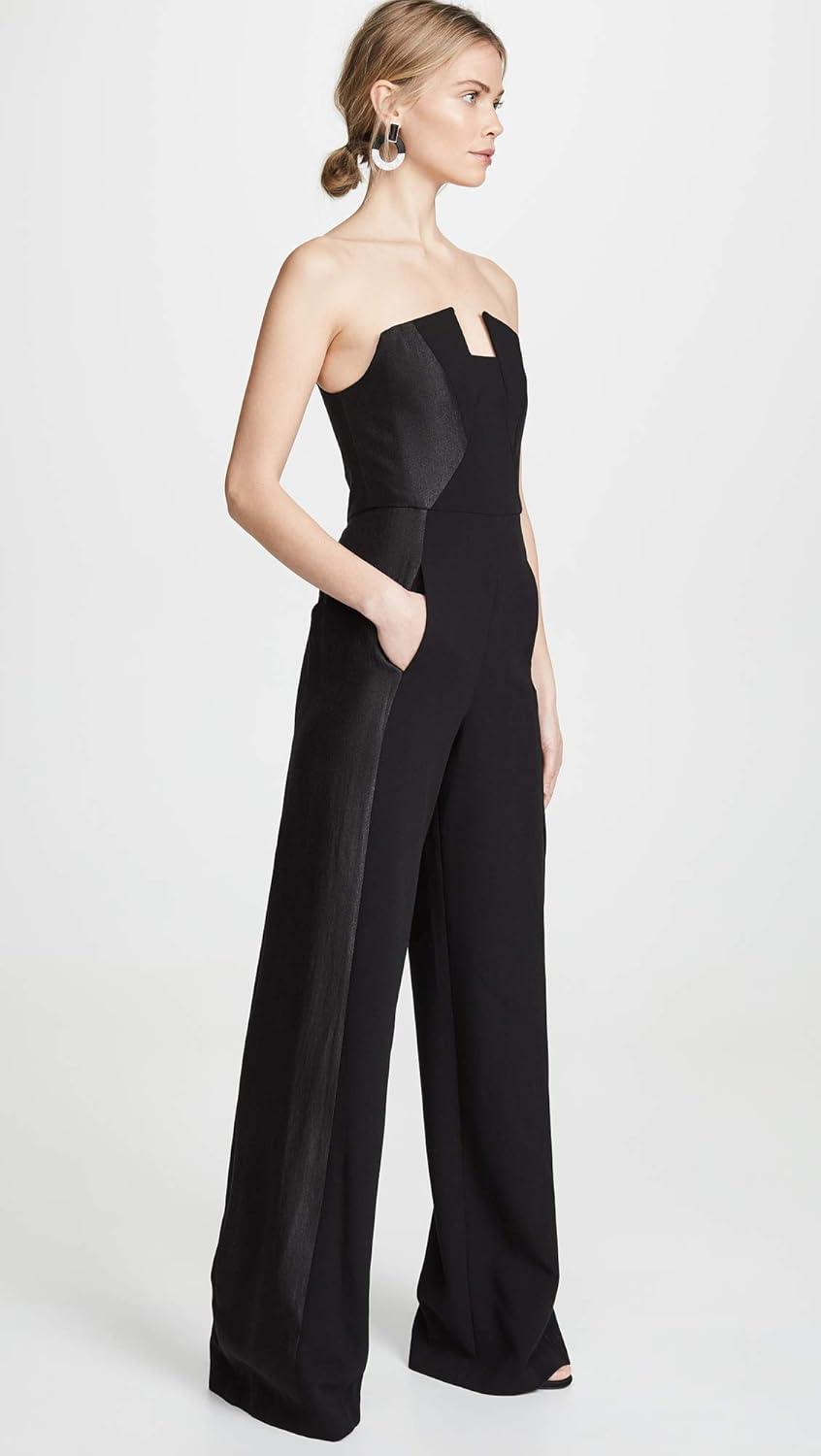
As you move down a hallway or across a room, the leg panels swing with a gentle breadth, the hem brushing the ankle or shoe with each step. The center-front and back seaming travel with the torso rather than shifting independently, and the structured boning in the bodice keeps the neckline cutout sitting in roughly the same place so it doesn’t gape wildly as the body rotates. Shoulder rotation while walking is accommodated,tho reaching forward causes a brief tug across the upper back and the hip pockets can shift slightly outward—small,habitual adjustments like smoothing a seam or hitching a pant leg happen without much thought.
When you sit, the jumpsuit settles into the seat and the front panels tend to flatten toward the hips; the center-front seam can draw up a touch, creating a minor fold at the crotch for some wearers. The bodice generally holds its shape, so the rectangular neck opening remains defined, but reaching for a bag—especially across the lap or over a chair—rotates the torso and pulls the shoulder seams forward, prompting an instinctive smoothing of the back or a rapid readjustment of the armholes. Rising from a chair sometimes requires a brief shuffle to free the legs,and a longer hem can catch on chair edges until the fabric is smoothed into place.
How the Lena aligns with your plans and reveals practical limits in everyday wear
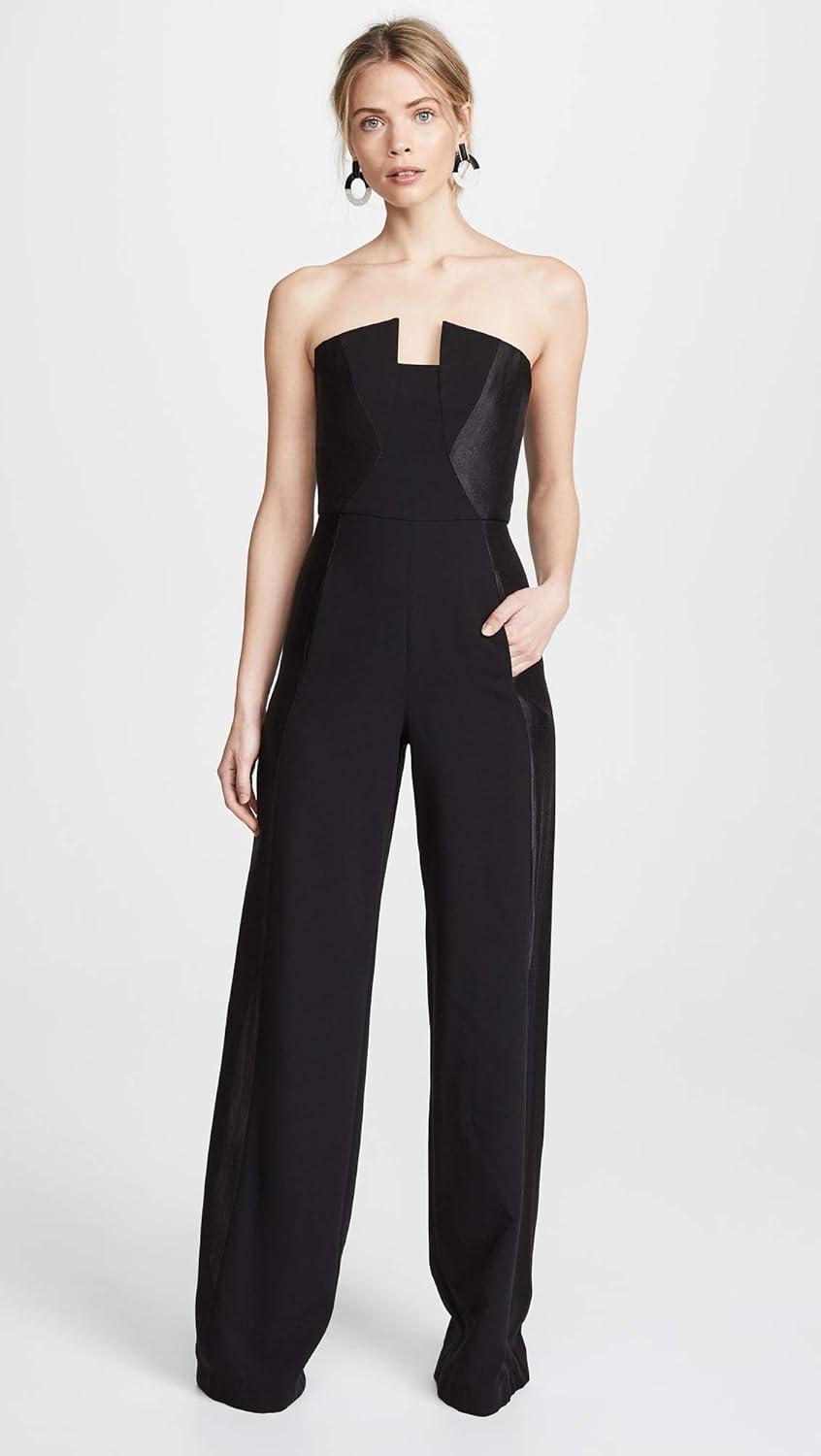
Worn across a day that includes transit, meetings and a late evening, the piece keeps a composed silhouette for the first few hours and then shows the small compromises that one-piece garments ofen reveal. The structured front keeps the torso looking lifted when standing, but reaching overhead or rummaging in a tote can prompt gentle tugging at side seams and an occasional smoothing of the bodice. The neckline’s opening sits neat while upright, yet tends to shift or gape subtly when leaning forward, which leads to brief, unconscious adjustments more than dramatic repositioning.
Routine motions expose other practical limits. Sitting for long stretches creates soft creases at the knee and a slight flattening across the seat; pockets meant for essentials will hold a phone but introduce a visible change to the hip line and a little extra weight when walking.Bathroom breaks underline the single-piece constraint — a quick step-and-rearrange habit replaces the ease of separate garments — and layering over coats or jackets can produce rubbing at the shoulder seams that prompts smoothing during the day. These are common wear patterns rather than failures, and they emerge gradually with movement and time of day.
View full specifications and available sizes and colors
what happens for you after hours of wear with creasing pocket use and closures
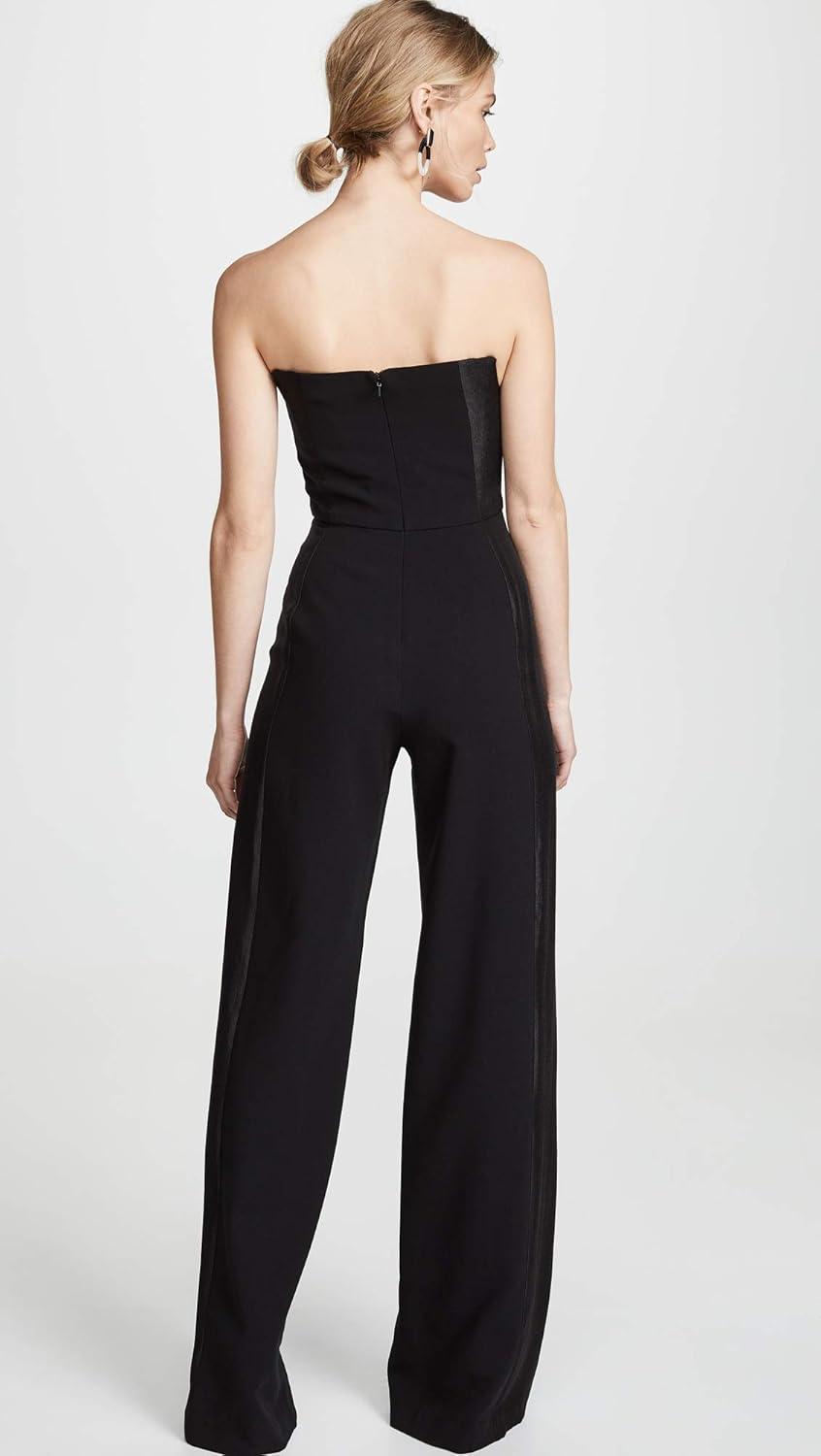
After a full day of movement and sitting, the fabric settles into soft, uneven lines across the front and at the hips. Creasing tends to appear where hands rest or items are carried: the pocket mouths can flare and leave shallow ridges that follow the angle of the hip seams, while the center-front seaming and the boning show faint vertical impressions that trace the torso. Wearers frequently enough find themselves smoothing the midsection or shifting the seams when standing after long periods of sitting, and those small, unconscious adjustments are part of how the garment reconfigures over time.
The interaction between frequent pocket use and the garment’s fastenings also becomes noticeable after hours. Stuffing a pocket or repeatedly slipping hands in and out nudges the fabric outward, which can pull subtly at nearby panels and create tiny puckers around the zipper and hook area. The structured elements that keep the neckline and waist in place hold their line,but they can accentuate where the material creases or compresses — for some wearers this feels like a mild tug at the center-front opening after a lot of movement. these are the common tendencies observed with extended wear rather than abrupt changes in shape.
View full specifications and available sizes and colors
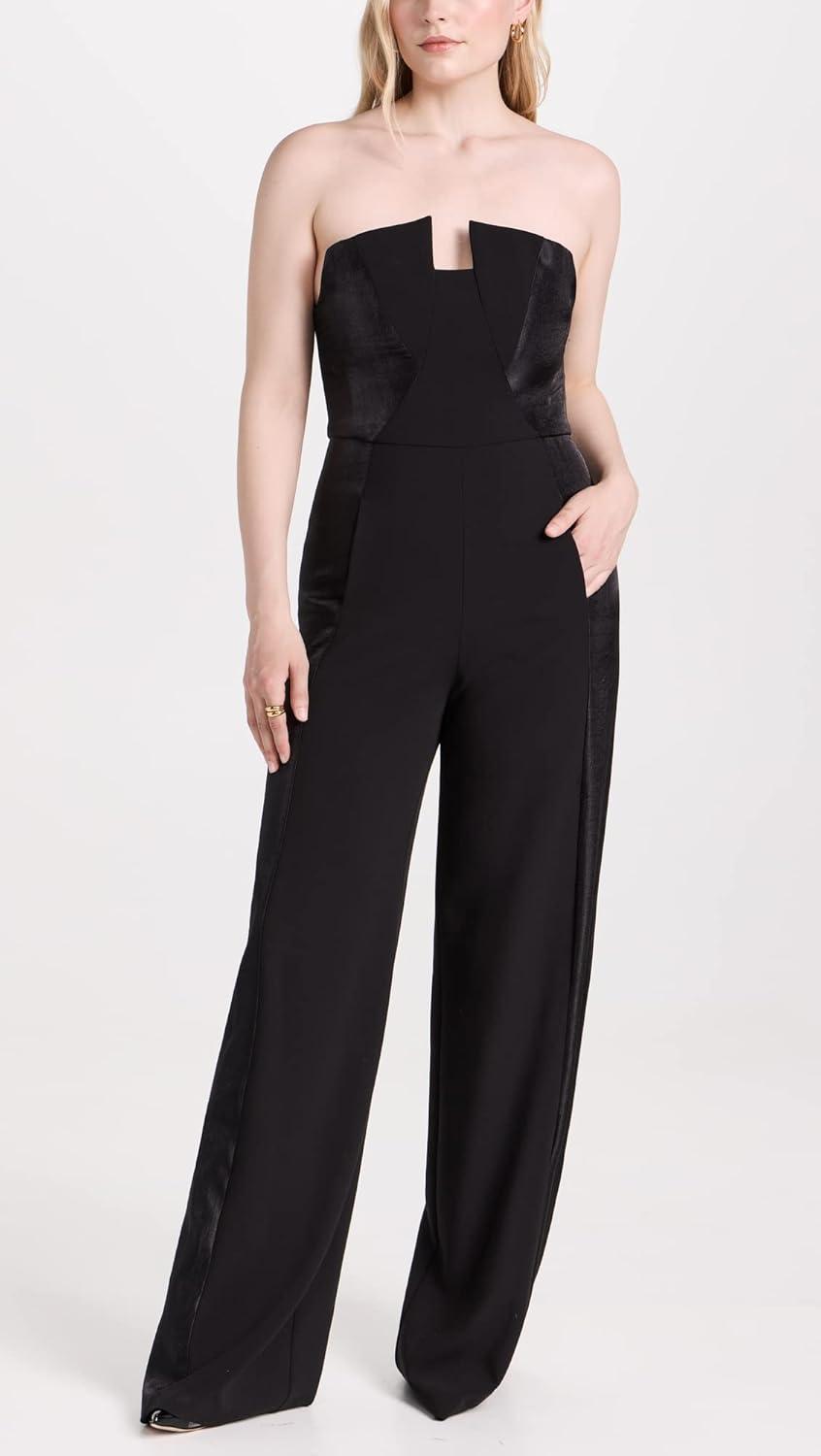
How It Wears Over time
When you first pull on the Black Halo Women’s Lena Jumpsuit it can feel like an option for particular occasions, but in daily wear it quietly folds into regular routines and becomes a reliable silhouette rather than a focal point. The fabric softens and the fit loosens in small, familiar ways, so comfort behaves less like a feature and more like a background habit as it’s worn.In regular routines it shows age in subtle shifts — a gentled hand, a little extra give at stress points — simply marking repeated use rather than demanding notice. Over time it becomes part of rotation.

