

You slip into STUDO OMEGA’s blue crop boyfriend jeans and the denim greets you with a cool, slightly significant hand that eases into stretch as you move.It drapes close across your thighs but breaks looser around the cropped calves, so the silhouette reads relaxed without flapping or collapsing. Seams sit flat against your skin and the ripped knees fray gently when you bend, the distressed edges softening with each step and shift in posture. In those first moments of wearing — standing, sitting, walking — the jeans feel like a familiar weight: present enough to hold shape, supple enough to follow you.
What you notice first when you pull them out of the bag
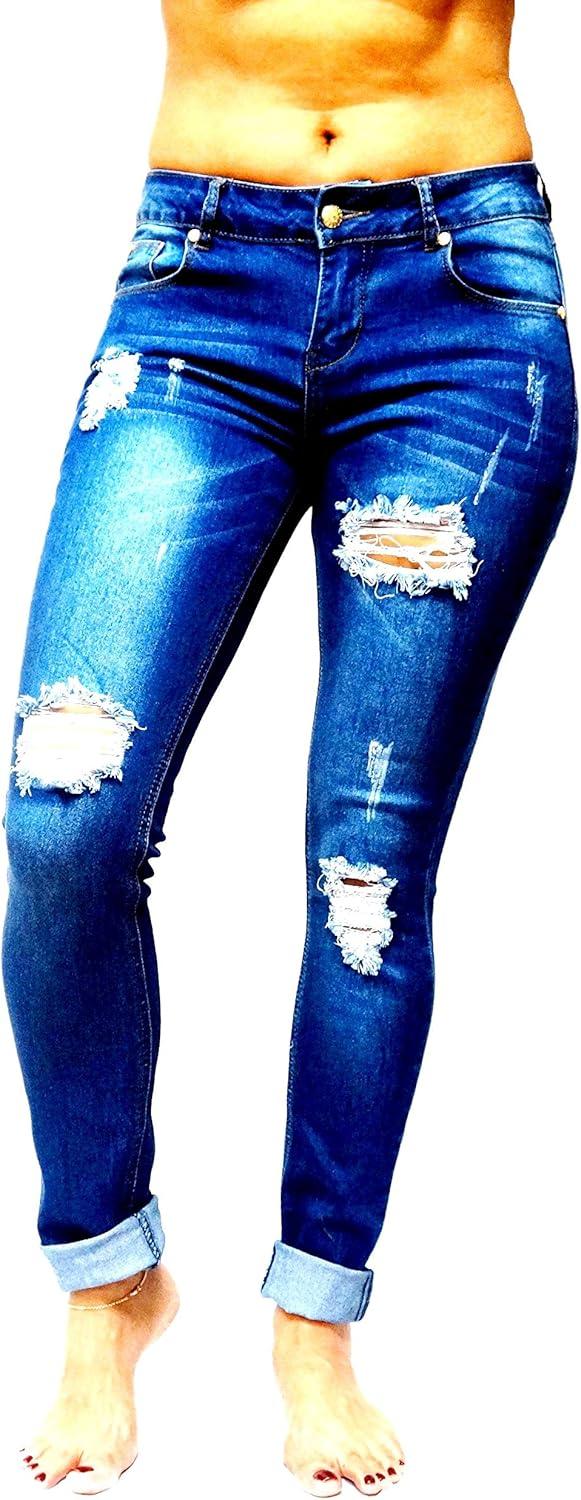
When you pull them out of the bag,the wash and distressing hit you first: a mid-to-dark blue with lighter,worn panels where the knees and thighs would sit. the rips show their backing and pocket linings at a glance, and frayed edges around the hems catch the light.The button and rivets have a faint gleam against the denim, and there are factory fold-lines down the legs that flatten under your fingers. A swift pinch and gentle tug reveal a noticeable give, and there’s a faint, neutral scent of detergent or packaging.
How the legs hang gives you an immediate sense of the cut — the cropped length is suggested by where the cuffs sit when you hold them,and the relaxed taper of the boyfriend style shows in the way the fabric pools slightly at the knee. You’ll probably smooth the waistband and shift a seam with your thumb; those small adjustments show where the jeans will settle on your body and how the distressing frames the knees as you move, which tends to change with wear.
What the denim feels like in your hand and how the stretch responds
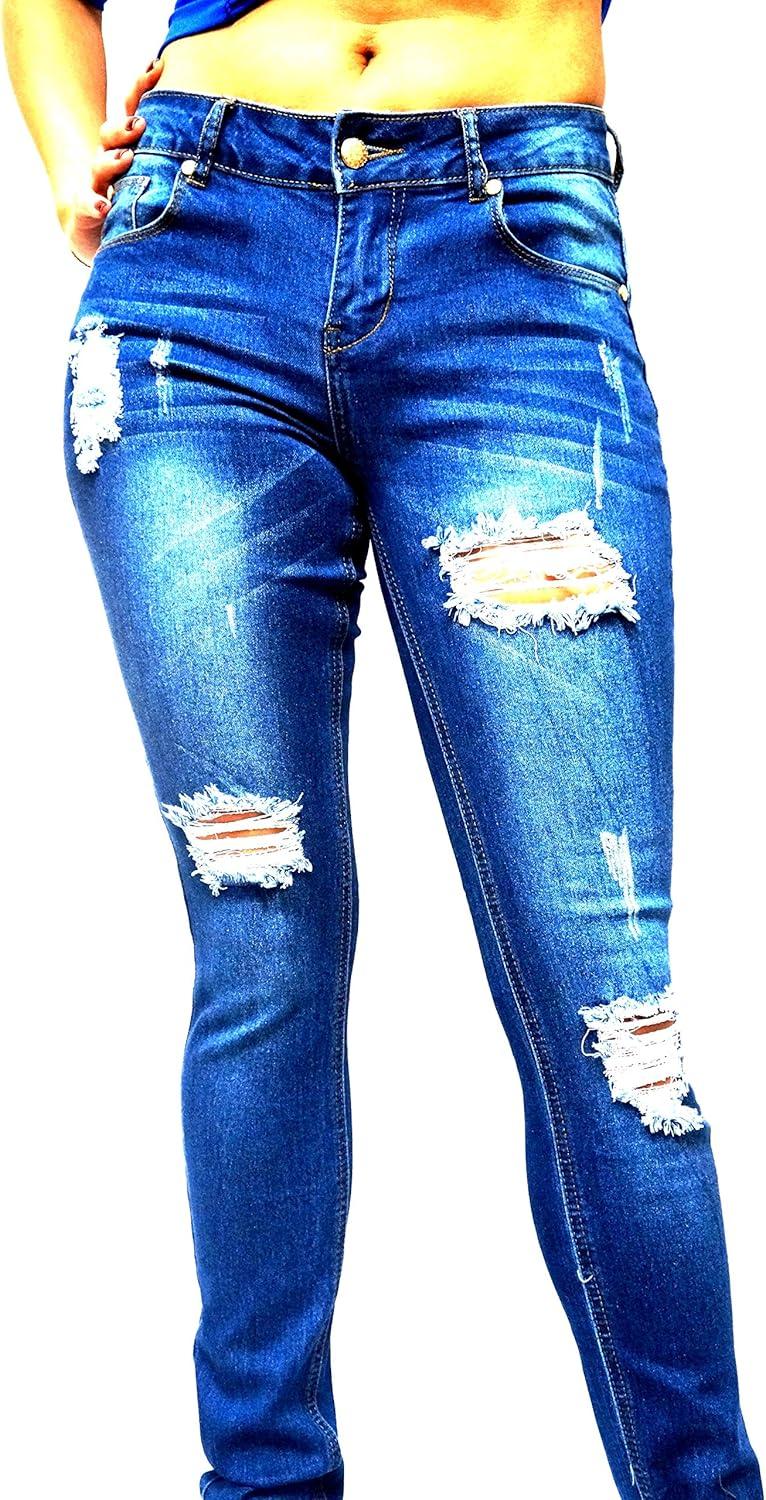
When you lift the jeans, they sit with a noticeable, compact drape in your hand — not floppy but not armor-like either. The denim’s surface has a faint tooth that catches your fingertips,and the distressed knees feel fuzzier and more open where the threads are frayed. Pocket openings and the waistband give a firmer, corded sensation under your palm; seams and topstitching are tactile lines you unconsciously follow with a thumb, smoothing or tugging at them out of habit.
Pulling gently at the thigh or knee reveals how the stretch responds: it gives with a measured,elastic tug rather than a sudden snap, then recoils toward its original shape as you let go. While you move—standing up, bending, or sitting—the weave relaxes incrementally across areas that take the most strain and usually recovers afterward, though after prolonged wear it can feel a touch more relaxed in high-stress spots. Near the rips the fabric yields more easily, and the seams act as stopping points where the give transitions to structure, prompting small adjustments as you shift.
Where the crop lands on your ankle and how the leg narrows around your calf
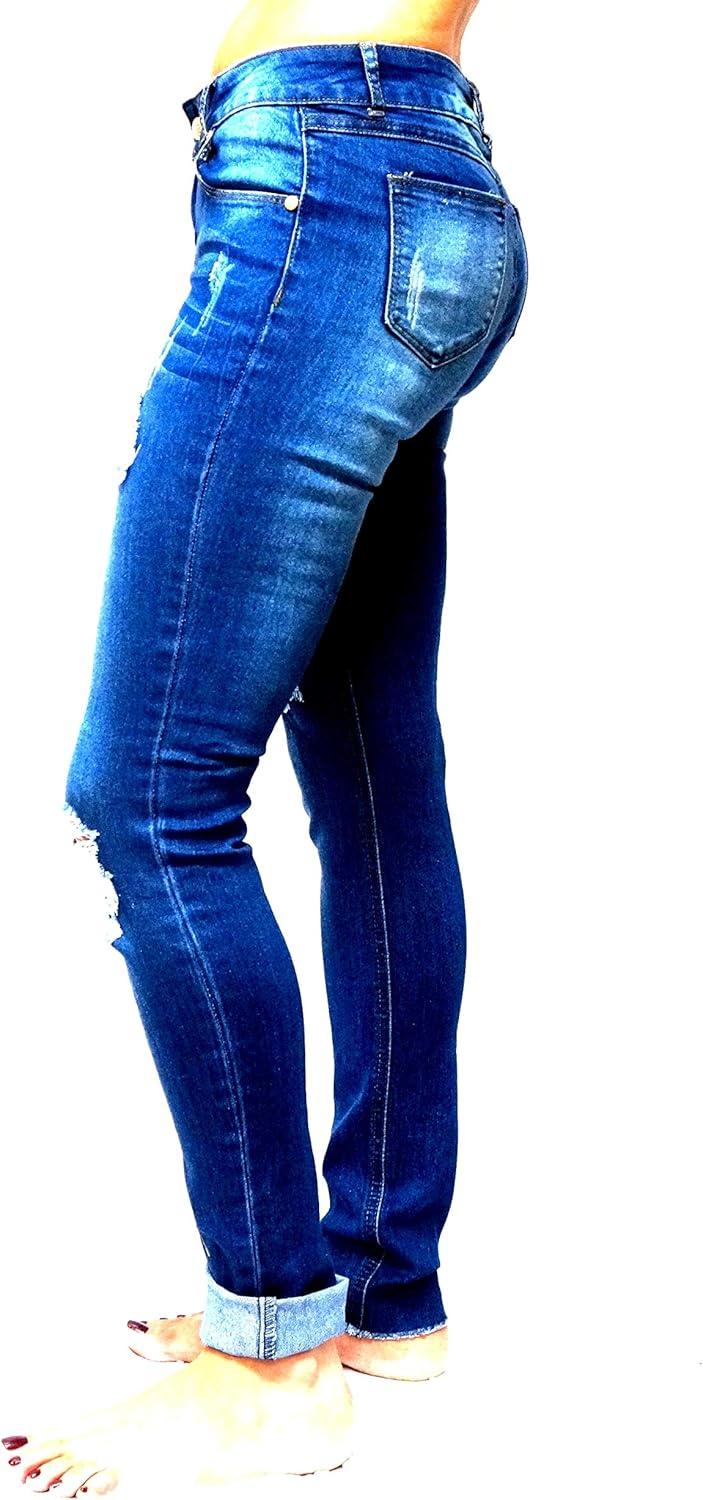
When you stand still the crop usually settles around your ankle bone, ofen showing a slim strip of skin between the hem and your shoe. The exact spot shifts with movement: sitting or lifting your foot tends to pull the hem a little higher, and a quick stride can reveal more of the lower leg for a moment before the fabric falls back into place.
Below the knee the leg narrows into a distinctly tapered opening that frames your calf. The denim follows the curve of the muscle so seams and faint creases appear across the back of your calf as you bend, and you’ll find yourself smoothing the fabric or nudging the hem now and then to even out how the taper sits against the skin.
How they move with you when you walk,sit,or bend
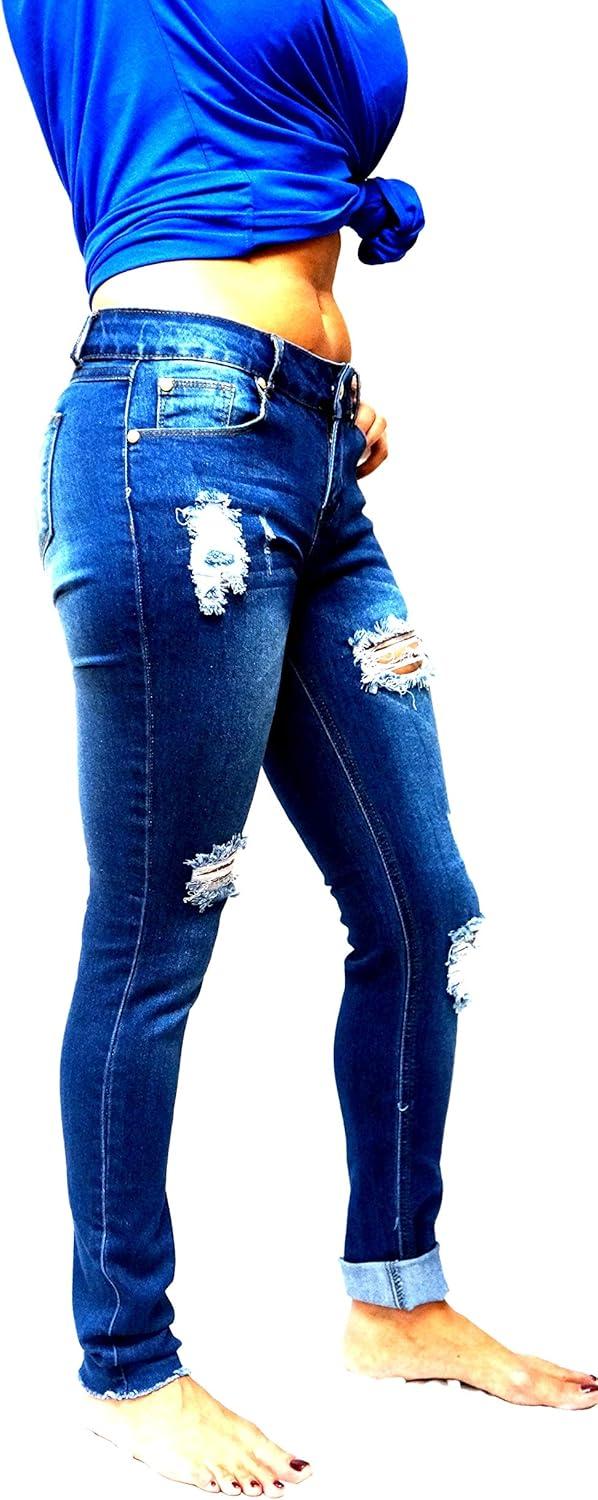
When you walk, the denim tracks with your stride rather than moving independently; the fabric stretches across your thighs on the forward step and then eases back, so the cropped hem lifts a little with each forward motion. seams and distressed openings shift position as your legs extend, and you may notice the knees momentarily pull smooth before a few small creases form behind them. The waistband follows your hips without dramatic slippage in most cases, though a quick hitch or two is an unconscious habit.
As you sit or bend, the material gathers in predictable places: horizontal folds at the back of the knee, a shallow pouch across the seat, and little diagonal pulls where the hip seams meet pocket edges. Ripped areas can gape more when you crouch, exposing the underlying skin in ways that change with each posture. After standing, you might find yourself smoothing the fabric or adjusting the rise—small, repeated movements that register as the jeans settle back into place.
How they line up with your expectations and the practical limits you’ll find
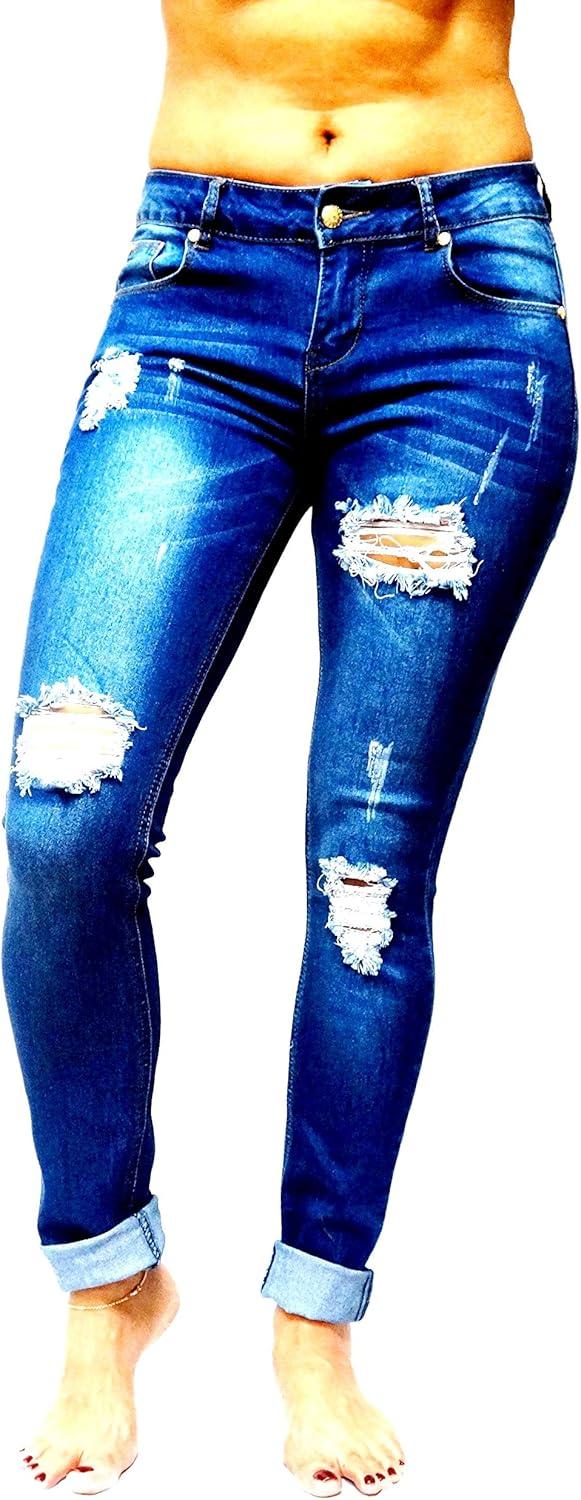
Once on, they tend to settle into a familiar silhouette over the course of a day: the knees and thighs can ease out slightly after a few hours of wear, and the cropped hem sits higher when seated or when legs are crossed. The distressed openings loosen incrementally with movement, edges softening into a more worn look, while the waistband and rise occasionally prompt subconscious adjustments—smoothing, a quick tug—during active moments.
Pockets carry small items but will bulge or shift under heavier loads, and coins or slim devices migrate toward the thigh during walking. The stretch offers a measured give after brief activity, recovering partially after rest, and new pairs may show minor dye transfer on light fabrics if damp. Over repeated wears and washes the rips fray more and the overall fit relaxes further, revealing the garment’s practical limits in everyday use.
view full specifications and available sizes and colors
What shows up after you wear and wash them: rips, colour shifts and loss of give
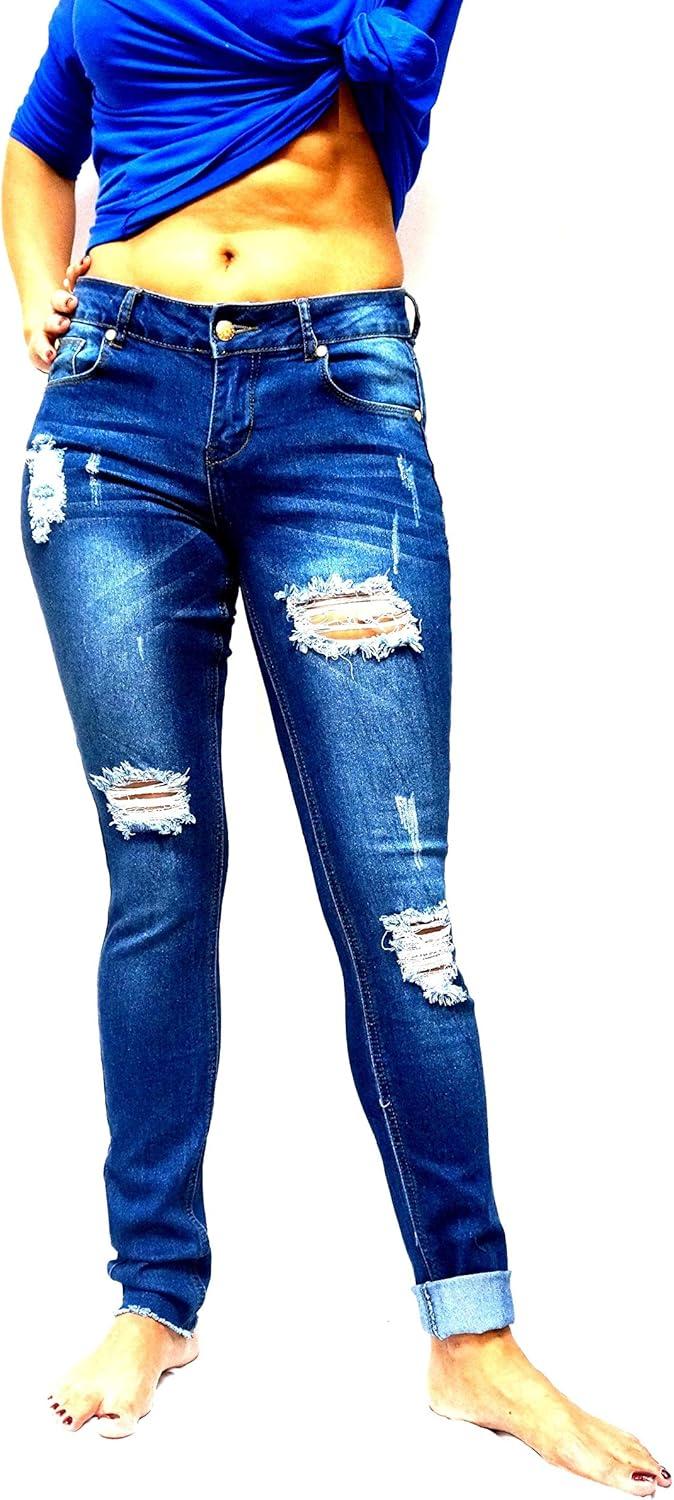
After normal wear and a few wash cycles, the pre-made rips and distressed edges tend to open up and fray in a way that looks less precise. Knee and thigh tears can widen where the fabric rubs during walking, and the short, intentionally loose threads along the holes fuzz into soft wisps.Tugging to pull the waistband up or smoothing the seat can coax tiny additional tears at stress points—near pocket corners or along seam ends—especially after machine washing and tumbling.
Colour shifts show up most where the denim sees friction: inner thighs, knees, the seat and hemline lighten first, producing uneven fading that matches movement. The original dark indigo softens after repeated cycles, and a little dye transfer to lighter fabrics can occur in early washes. The stretch component also changes: the waist and knee areas can lose a bit of snap and feel slightly more relaxed after several wears, with the elastic fibres tending to settle rather than spring back immediately.
View full specifications and available color and size options
How It Wears Over Time
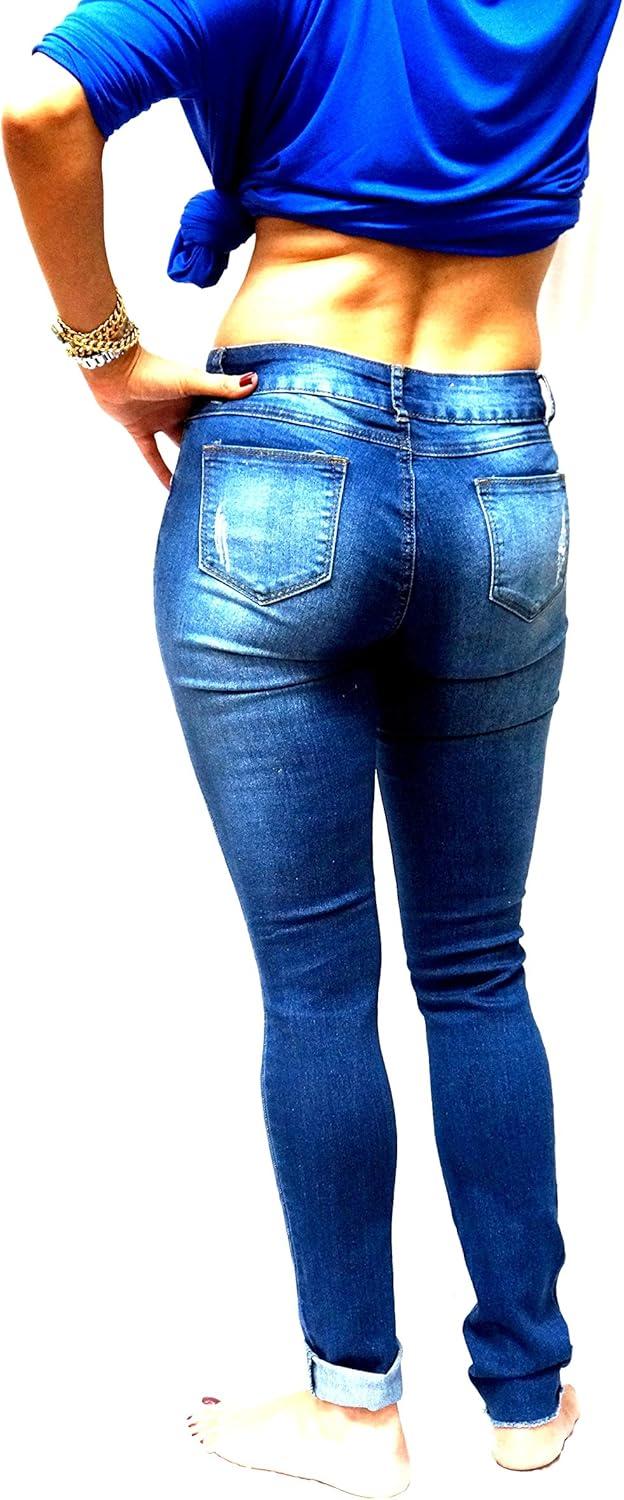
Over time, the brand’s Ladies Blue Denim Jeans Stretch Crop Skinny Boyfriend Ripped Distressed Pants slips into the closet rythm, folding quietly into the cadence of getting dressed. In daily wear, the fabric relaxes, seams ease and ripped edges fray with ordinary movement, and comfort shifts as the denim softens. As it’s worn through regular routines, the piece is noticed less and simply meets whatever the day brings.It settles and becomes part of rotation.

