

You feel the satin cool and a touch weighty the moment you slip it on. The Boho Satin Bridesmaid Dress M008 — a long cowl‑neck slip with spaghetti straps — settles into the neckline in a soft, liquid fold and then skims the body, giving a fitted impression that isn’t rigid. As you take a few steps the double side slit allows the skirt to swing and breathe; when you sit the fabric pools into flat, glossy ripples that catch the light along the seams. You notice the straps and seams sit quietly where thay should, and the overall drape reads as contained ease rather than stiff formality.
A first look at how the dress reads on you
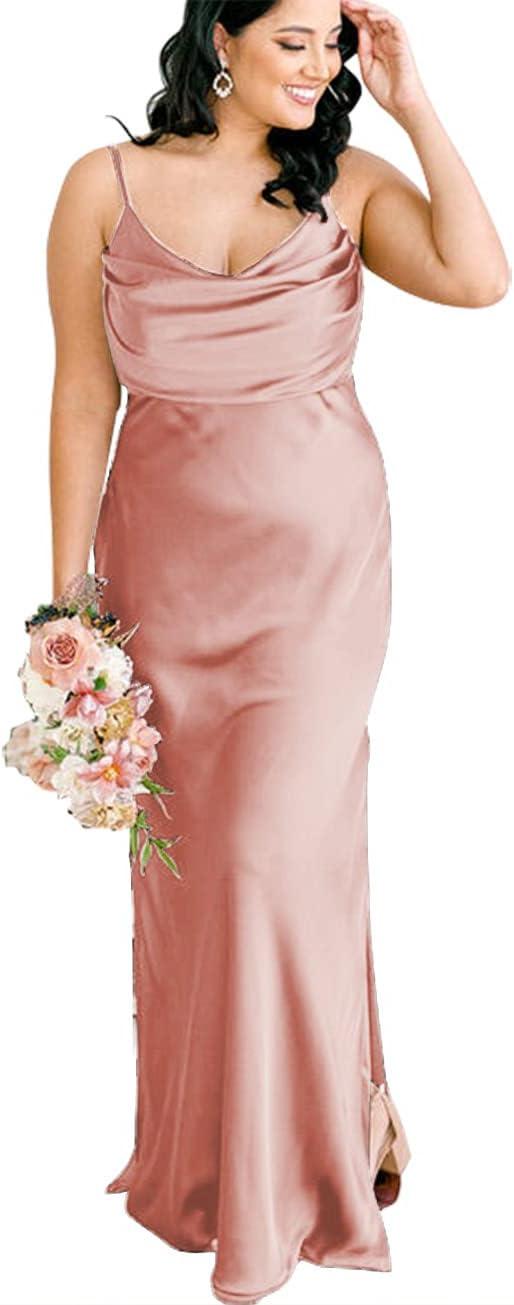
When you first step into it, the dress announces itself quietly—light catching along the length to emphasize a long, lean line. The cowl neckline folds softly against your collarbone, creating a low, rounded shadow that can shift with the tilt of your head. Thin straps sit close to the edge of your shoulders; they don’t hide, they outline. The skirt falls straight from the hip so that the double side slit becomes a moving detail rather than a static one, revealing glimpses of leg as you shift weight or take a step.
Over the first minutes you’ll notice the dress settling: the cowl can smooth flatter and then loosen again as you move, seams slide a fraction with your stride, and you’ll find yourself smoothing the fabric now and then out of habit. In softer light the surface reads more satin-like, throwing small highlights across curves; under brighter lights those highlights sharpen. Sitting, standing, and crossing your legs changes how much the slit opens, and the overall silhouette can feel a touch different after a few turns on the dance floor—more fluid, a little more slinky.These are small, situational shifts rather than abrupt changes, happening as you go about the evening.
The satin surface and seam details you notice up close
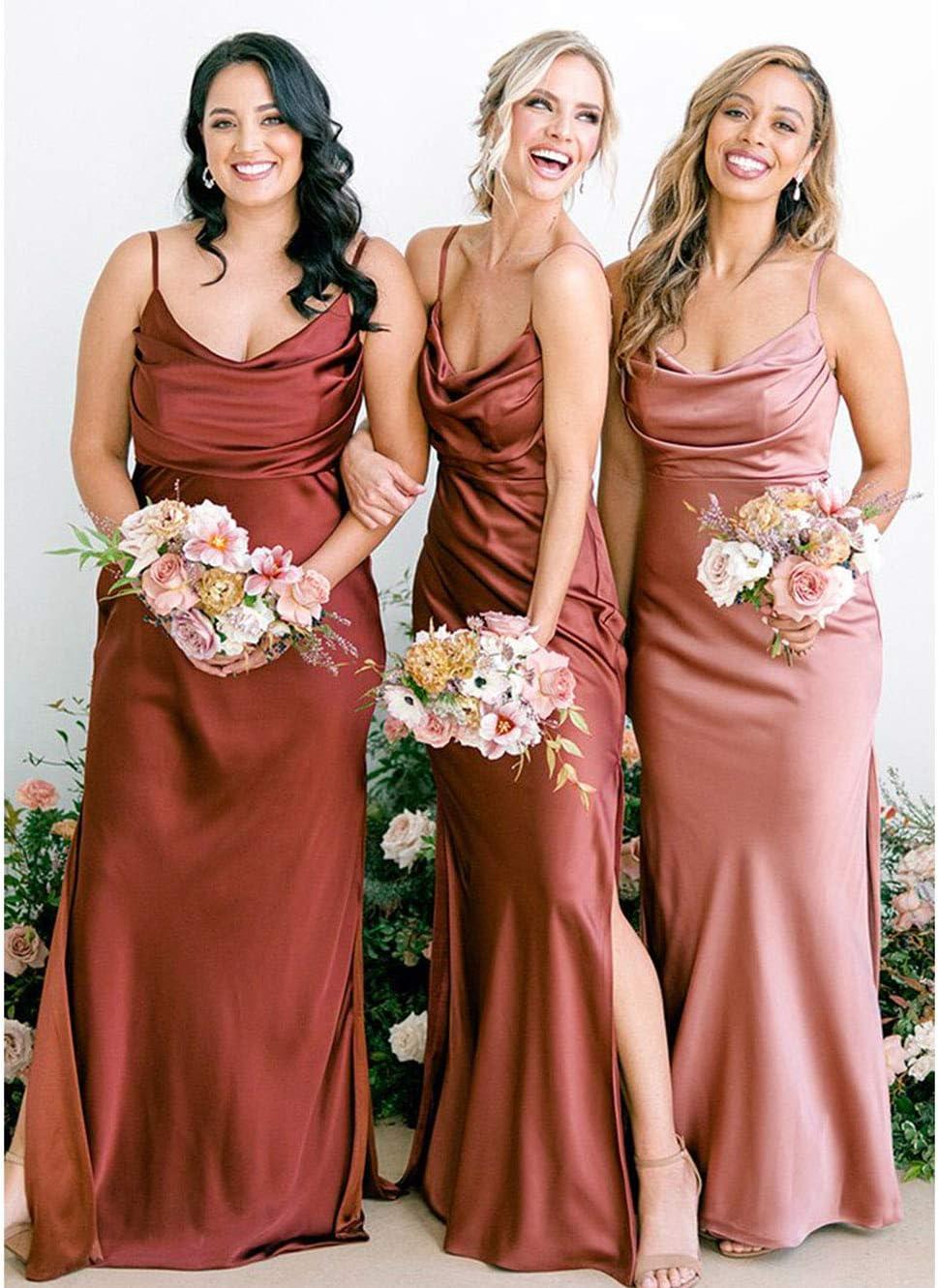
Up close, the satin surface reads as a quiet sheen rather than a mirror finish. As you move, light skims across the gown in thin bands, and the highlights shift with each step. When you smooth the fabric with your hand you can briefly see the print of a fingertip or a soft crease where the skirt has folded in transit; those marks tend to flatten out as the satin relaxes. Small, fine ripples appear along areas that bend—around the hip when you sit, near the slit when you stride—so the surface looks subtly animated rather than uniformly flat.
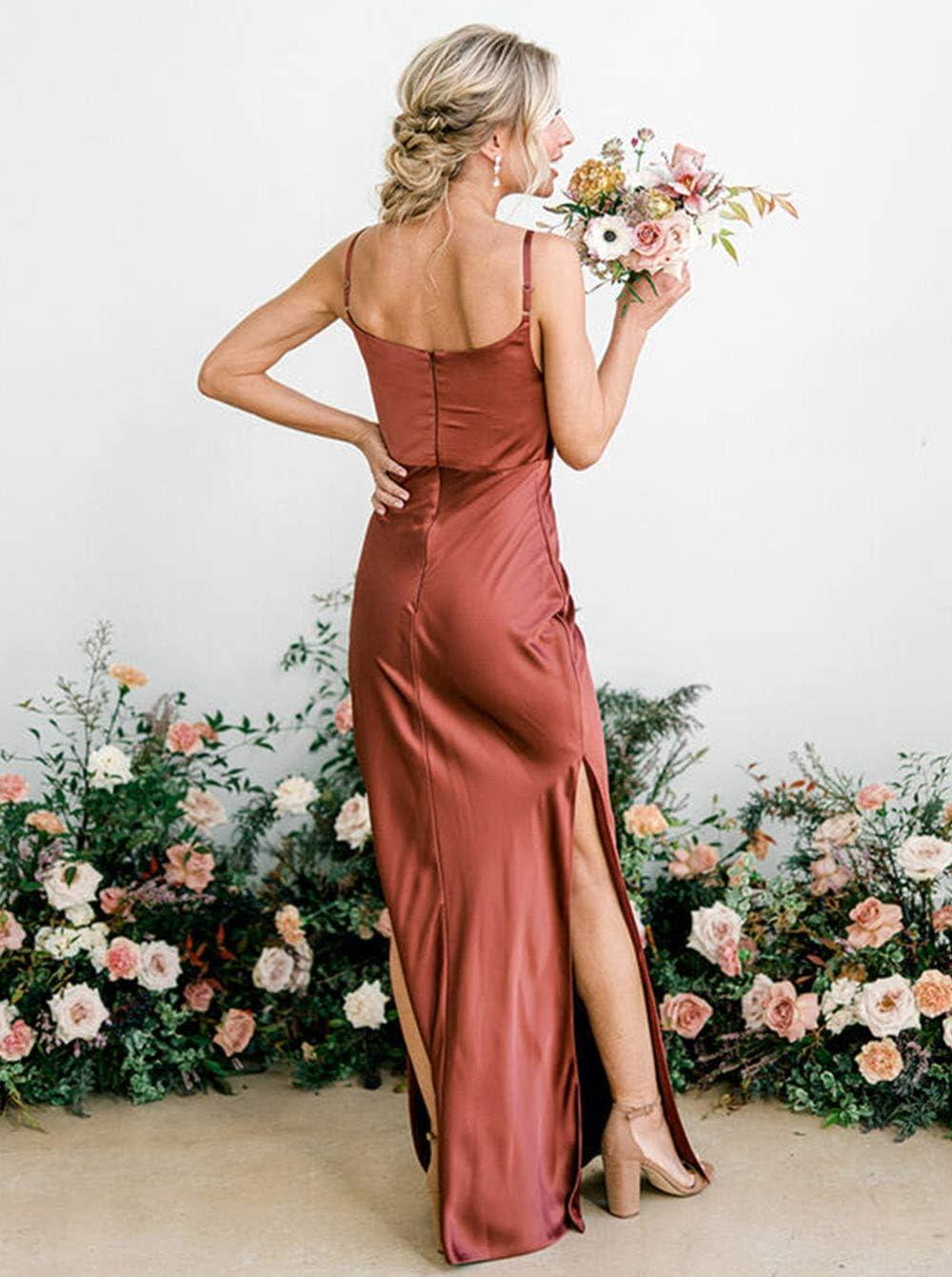
The seams mostly stay discreet,but you notice them when they catch light or when you instinctively adjust a strap or the cowl. The neckline’s seam work disappears into the fold of the cowl, leaving a soft edge, while the strap attachments show tiny reinforcement stitches where tension concentrates. Side seams and the split finish are stitched narrowly; if you press on the inside or tug slightly they can reveal the folded seam allowances. Hem stitching runs close and nearly invisible unless you lift the skirt, and the stitching at the slit ends is compact to resist pulling. As you shift and smooth the dress, seams settle and realign—sometimes they sit perfectly flat, othre times a slight puckering appears where the bias drape meets a straight seam, a natural consequence of the way the fabric moves against the body.
Where the cowl neck, straps, and side slit fall on your body
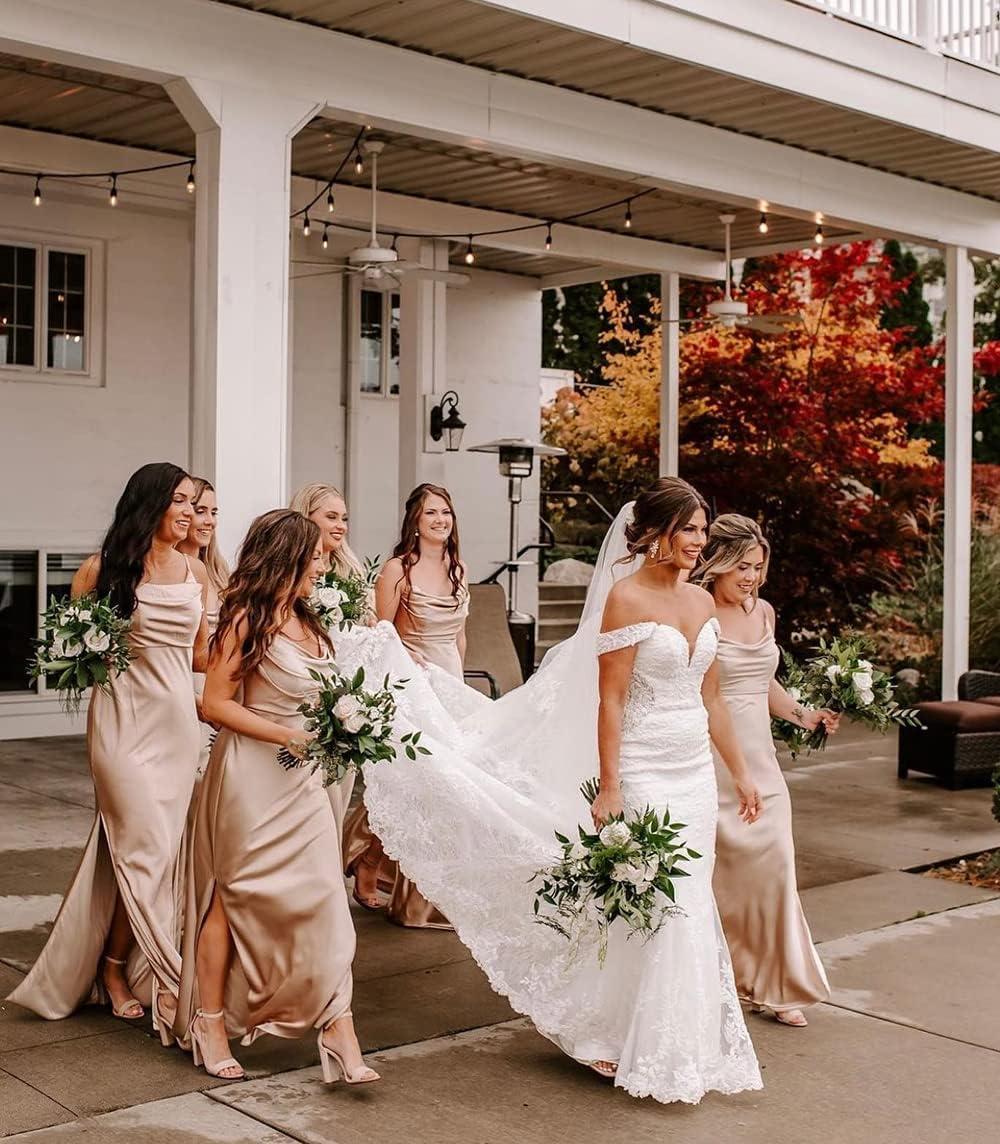
When you pull the dress on, the cowl neck settles as a soft fold across your upper chest. Depending on how you hold your shoulders and where your bust sits, that fold can rest just at the collarbones or drape a little lower toward the upper sternum; a fast turn of the head or a shrug frequently enough shifts the drape so the neckline reads slightly higher or lower than when you first put it on. The layered satin tends to lie smooth when you stand still,and then relaxes and loosens subtly with movement over the course of an evening.
The thin straps sit on the tops of your shoulders, usually close to the natural shoulder line rather than toward the neck. Because they’re narrow, you notice them when you lift your arms or reach, and you may find yourself smoothing or nudging them into place without thinking about it. They don’t have wide coverage,so their position can feel different as you move — sometimes a strap shifts inward toward the base of the neck,sometimes outward toward the arm.
The dress’s double side slit opens along the outer thighs and behaves noticeably with motion. When you stand still the slits sit mostly closed against your legs; when you walk or take longer strides they part to reveal more of the leg, and when you sit the openings tend to spread and change how much thigh shows. For manny wearers the slits fall around mid- to upper-thigh, but that placement can drift slightly as the fabric relaxes through the night or as you shift your stance.
How the fabric moves with you and what wearing it feels like
When you slip into the dress the first thing you notice is how the fabric settles: the cowl neck falls into soft folds against your chest and the skirt drapes down from your hips without a lot of bulk. As you move, the material glides over skin and over itself, so the dress follows the arc of your steps rather than staying rigid. The double side slit opens and closes with your stride, giving space for a longer step and letting the hem shift from one side to the other as you turn.
The surface catches light with a quiet sheen, so every small motion—reaching for a glass, turning to greet someone—produces a faint play of highlights along the cowl and skirt.There’s a subtle, near-silence to that movement; when you walk the fabric whispers rather than rustles. As the evening stretches on the dress warms slightly against your skin and can settle closer to your body, which sometimes leads you to smooth the skirt or shift a strap without thinking.
Sitting down changes the silhouette: the drape compresses and the skirt may lay flatter across your lap, requiring a quick flattening of the folds as you stand again. The slits let the hem fall naturally when you cross your legs, and seams tend to follow the line of your movements so you notice them more when you reach or twist. Overall the sensation is one of soft, fluid motion—frequent tiny adjustments, a gentle luminescence in motion, and a fabric that tends to respond to your gestures rather than fight them.
How the dress measures against your expectations and the real limitations you may encounter
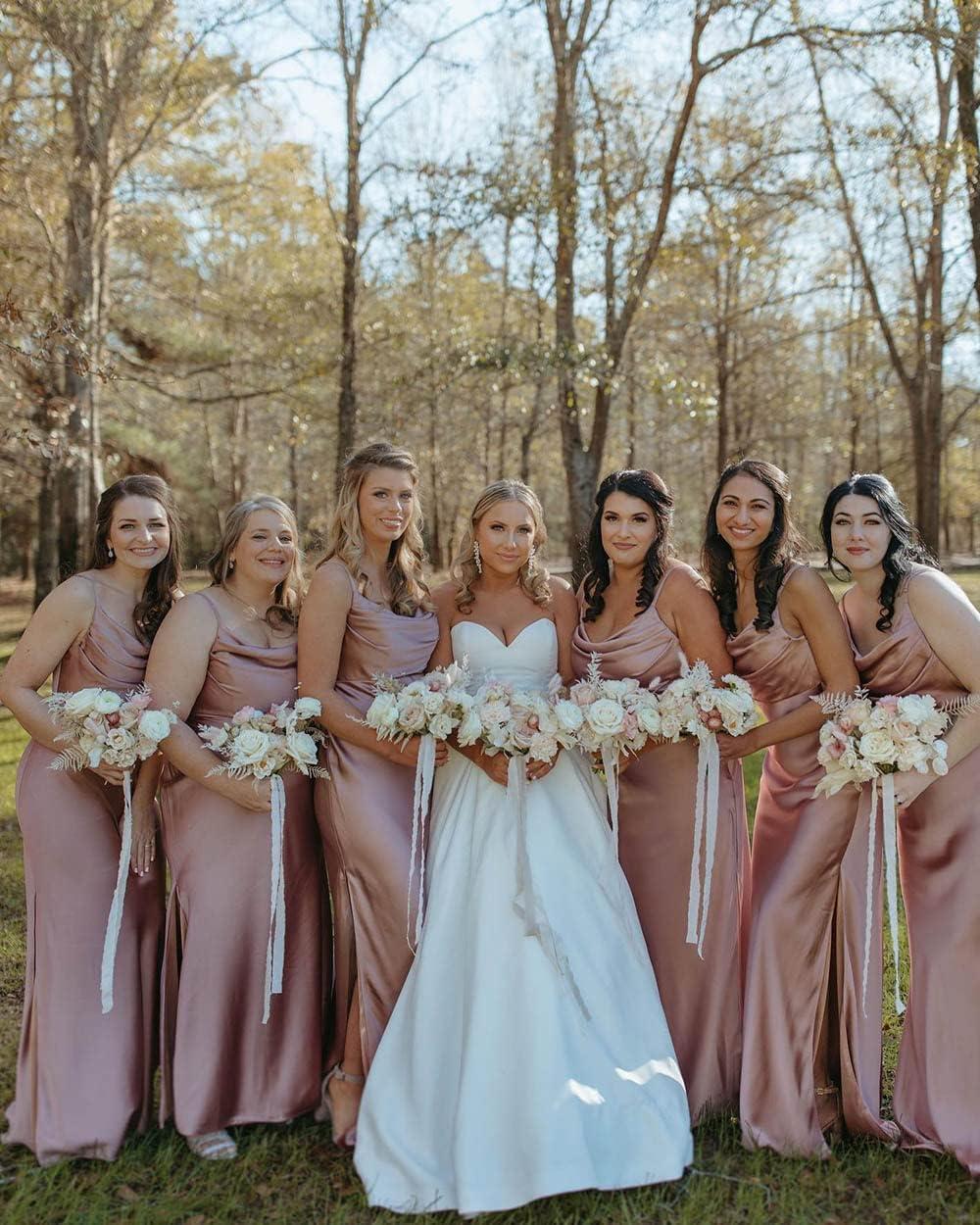
Expectation vs reality: Worn, the dress frequently enough behaves like a piece that prefers gentle, attentive handling rather than forgetfulness— the cowl neck tends to shift with posture, sometimes draping lower after a few hours and settling slightly off-center when arms are raised. The double side slit shows its trade-offs in motion: it allows a freer stride but can open a touch more than first noticed when sitting or taking wider steps, and the edges may need an occasional nudge back into alignment. The fitted silhouette skims the body and generally stays in place, though seams and side panels can creep with repeated movement, prompting subtle smoothing at the hips or along the waist as the event wears on.
The satin surface interacts with light and contact in ways that become more apparent over time; creases from sitting register more clearly than expected and the finish can catch highlights around areas that are smoothed frequently.Straps and the neckline show a habit of requiring minor adjustments—repositioning straps or easing the cowl—rather than remaining perfectly fixed through an evening. these are common wear patterns, not absolute limits, and they surface more during longer events or more active moments.
Full specifications and available sizes and colors are listed here.
How the dress appears on you after hours on the dance floor and in photographs
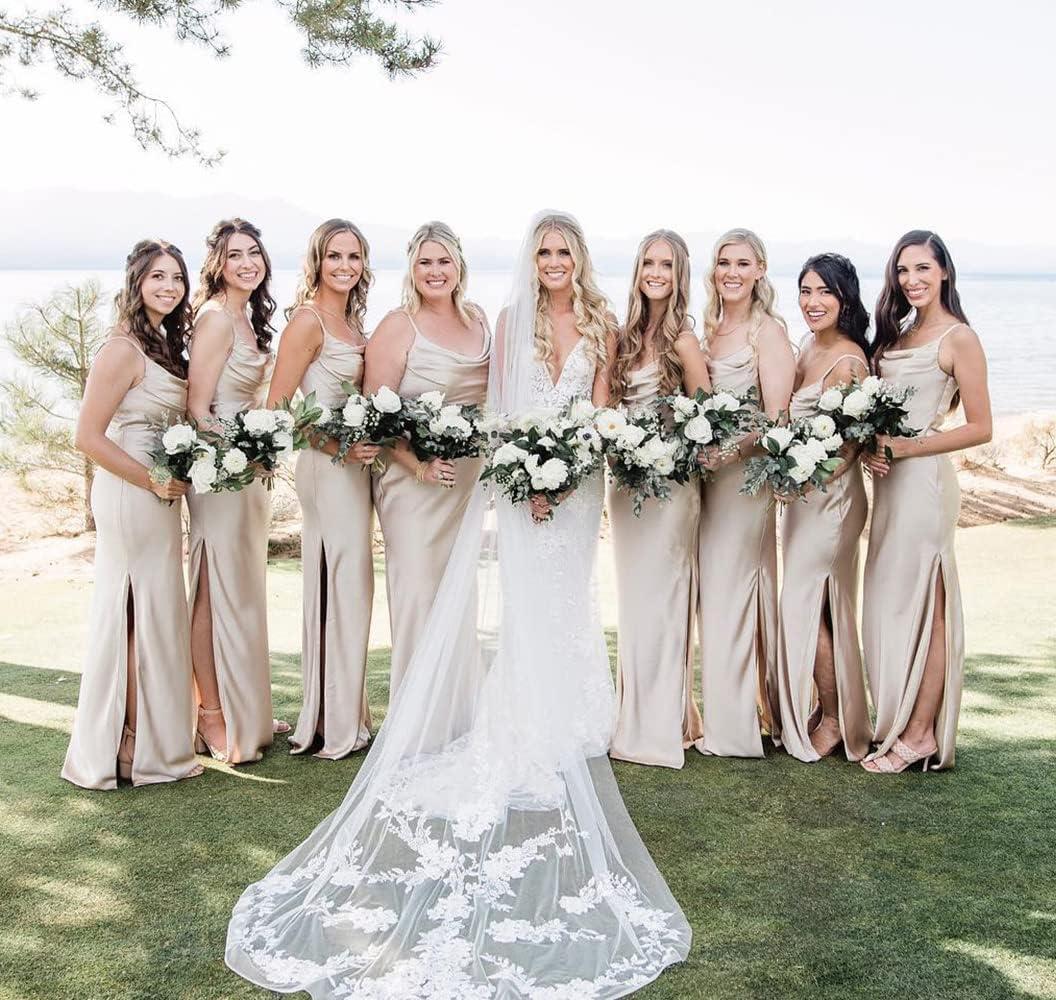
After a few hours on the dance floor you’ll notice the dress moving with you rather than against you: the skirt sways and the double side slit opens wider with larger steps, the cowl neck settles into slightly different folds as you turn, and the spaghetti straps need the occasional nudge back into place after reaching or spinning. Small creases appear where you sit or cross your legs, and the fabric tends to cling more along curves when you stop, then smooth again as you walk. In warm, crowded rooms faint darker patches from perspiration or areas that rub against a chair can be visible for a short time, and you might find yourself unconsciously smoothing a seam or tugging at the hem between songs.
In photographs the dress reads as a play of light and shadow: highlights pick up along the cowl and the curve of the skirt, while the folds cast soft shadows that change with camera angle. Direct flash accentuates the sheen, making small wrinkles or pulls more apparent in close-ups, whereas softer or diffused lighting tends to flatten those details and deepen the color. The side slit creates dynamic lines in motion shots, and backlit or silhouette images emphasize the overall shape rather than surface texture. You’ll frequently enough adjust the front or the neckline before a picture, and those tiny, repeated tugs show up as slightly different drape from one photo to the next.
How It Wears Over Time
Over time the dress shifts from careful garment to a familiar one, its satin smoothing where movement happens and the cowl settling into quieter lines in daily wear. The Women’s Boho Satin Bridesmaid Dresses Long Cowl Neck Formal Wedding evening Dress with Side Slit M008 picks up tiny signs of use—softened seams, a mellowed sheen—that register less as damage and more as the fabric learning its place. Comfort becomes less about a first impression and more about the small compromises it makes in regular routines, the way it accommodates motion or lays differently after repeated wear. In regular routines it simply becomes part of the rotation.

: "Women's Boho Satin Bridesmaid Dress M008 — boho-chic satin with flowing drapes and a flattering fit for weddings. Styling tips, sizes & colors." - Option B (short/CTA): "Fall for M008: a Women's Boho Satin Bridesmaid Dress with flowing drapes, soft satin and a flattering silhouette—perfect for boho weddings." - Option C (product-focused): "Elegant Women's Boho Satin Bridesmaid Dress M008 — flowing satin drapes, versatile styling and a flattering fit. See photos, sizes and color options." If you want a specific character-length target (e.g., ≤155 characters for Google), I can tighten any option to that exact limit.)