

As you stand up from a café chair the denim settles with a quiet, wearable weight — not rigid, but considerable enough to hold a clean bootcut line. RSQ’s low-rise bootcut jeans feel like a soft,slightly textured denim with enough stretch to give when you bend; the waistband sits low and moves with you rather than digging in.Seams run flat along the thigh and the light distressing reads like lived-in scuffs rather of loud abrasion; when you walk the hem swings into a gentle flare that skims your shoes. Sitting, the back pocket flaps create a small ridge against the chair that softens as you shift. Those first moments of wearing tell you how the fabric drapes,where it pulls,and how the cut behaves in ordinary motion.
What you notice first when you pick up the Rsq low rise bootcut jeans
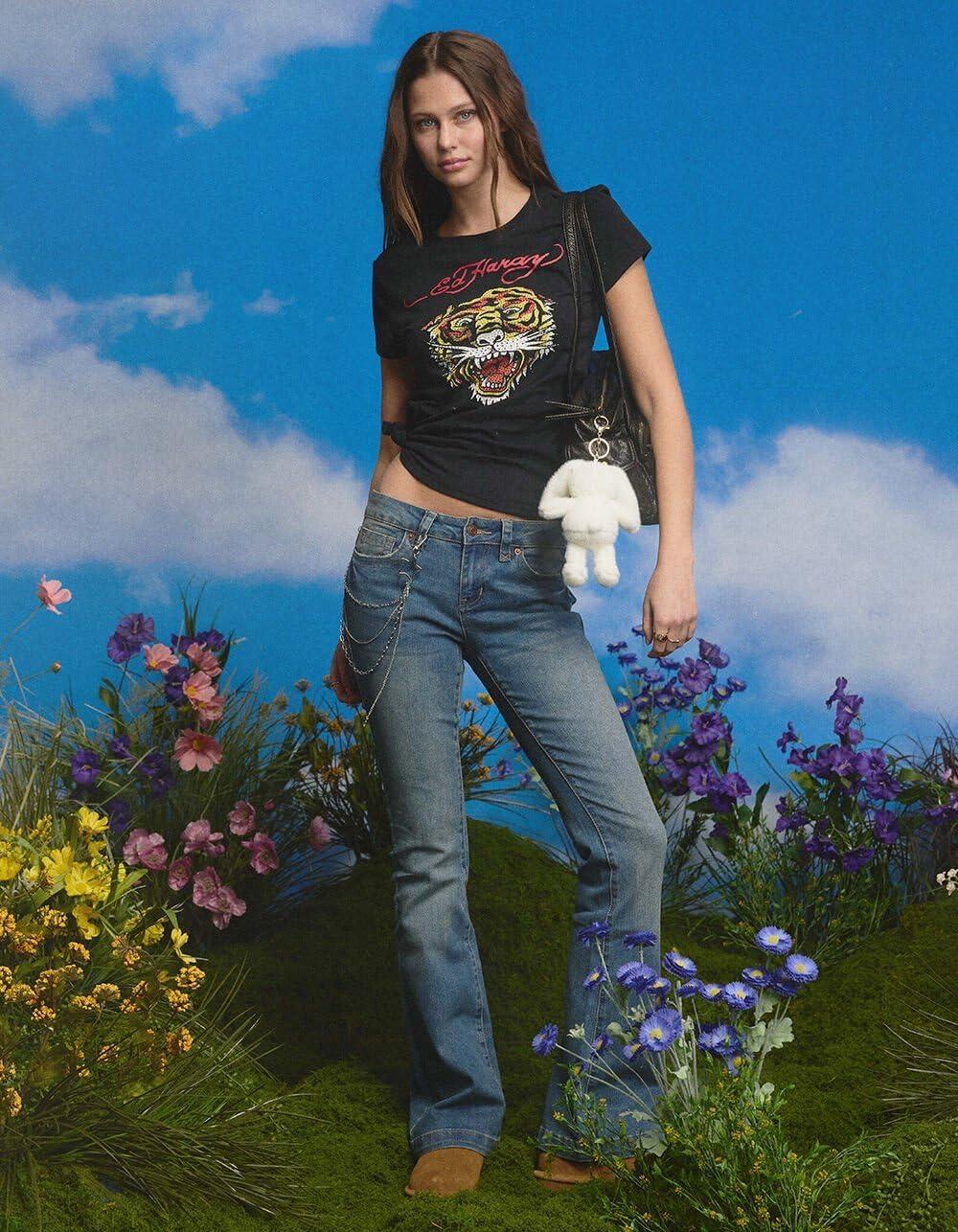
The first thing that registers is how they hang in your hands — not limp like a thin tee, but with a certain weight that pulls the legs straight and makes the hems flare slightly as you lift. Your fingers settle along the waistband and the denim cools the skin; when you shake them once to let the legs fall, the fabric unravels into a gentle curve and one leg often settles a little differently than the other, so you find yourself smoothing and rotating them almost without thinking.
As you pick them up you notice small sounds and motions: a soft clink from the back pocket buttons, a brief resistance when you pinch the waist that eases as the stretch relaxes, a memory in the folds where they were folded on the shelf. You instinctively slide your hand into a pocket to check depth, tug at a hem to see how much it swings, and run a thumb along the seam — subtle cues that suggest how they’ll shift when you move, rather than describing what they are.
How the denim feels in your hands and against your skin
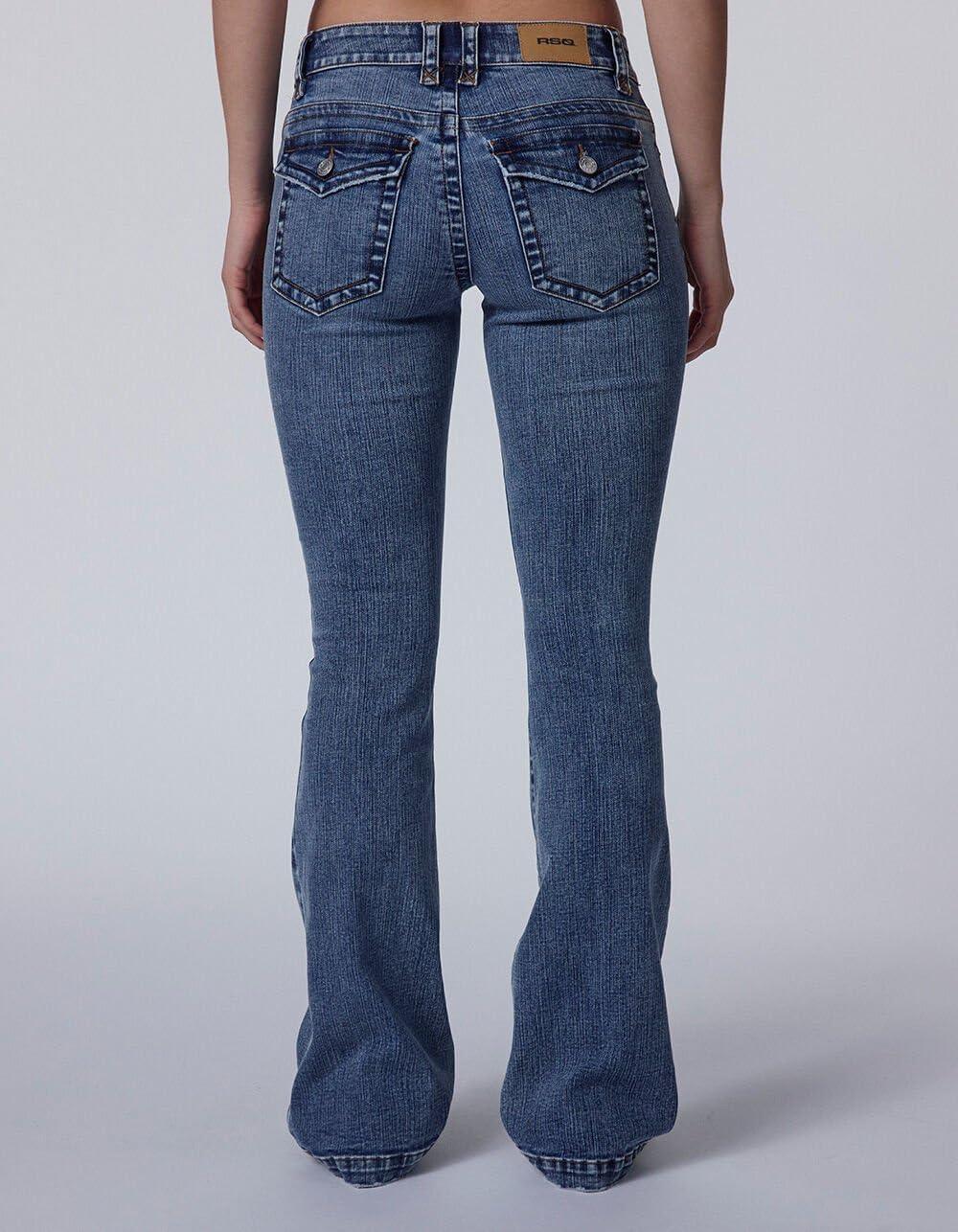
When you lift them, the denim gives a clear first impression: a cool, slightly crisp surface under your fingertips that yields with a short, audible creak as the cloth flexes. your hand registers a faint texture where the fabric has been worked — not fuzzy, but with a bit of tooth that keeps your palm from sliding cleanly across it. Fold a leg or smooth a pocket area and you feel the material resist for a beat, then ease, settling into the shape your fingers leave behind.
Once on, that initial coolness transfers to your skin and then fades as the fabric warms. Movement brings a steady, low-level friction along the inner thighs and behind the knees; when you walk you notice the denim shift against your skin in small, habitual ways — a speedy tug to re-center, a smoothing of the seat before you sit. Seams and hems are never invisible to your touch; they sit against you, sometiems as a gentle line, sometimes as a nudging presence when you bend or stretch.
After a few hours and again over subsequent wears the hand changes: the sharper edges soften, the cloth becomes more pliant against your body, and the initial crispness relaxes into a more familiar give. You still catch yourself brushing a thumb across a distressed patch or hitching the fabric once in a while, small adjustments you scarcely notice untill you stop and feel the denim cool slightly where it has been stretched and warmed by your skin.
How the low rise and bootcut shape sit on your waist and along your leg
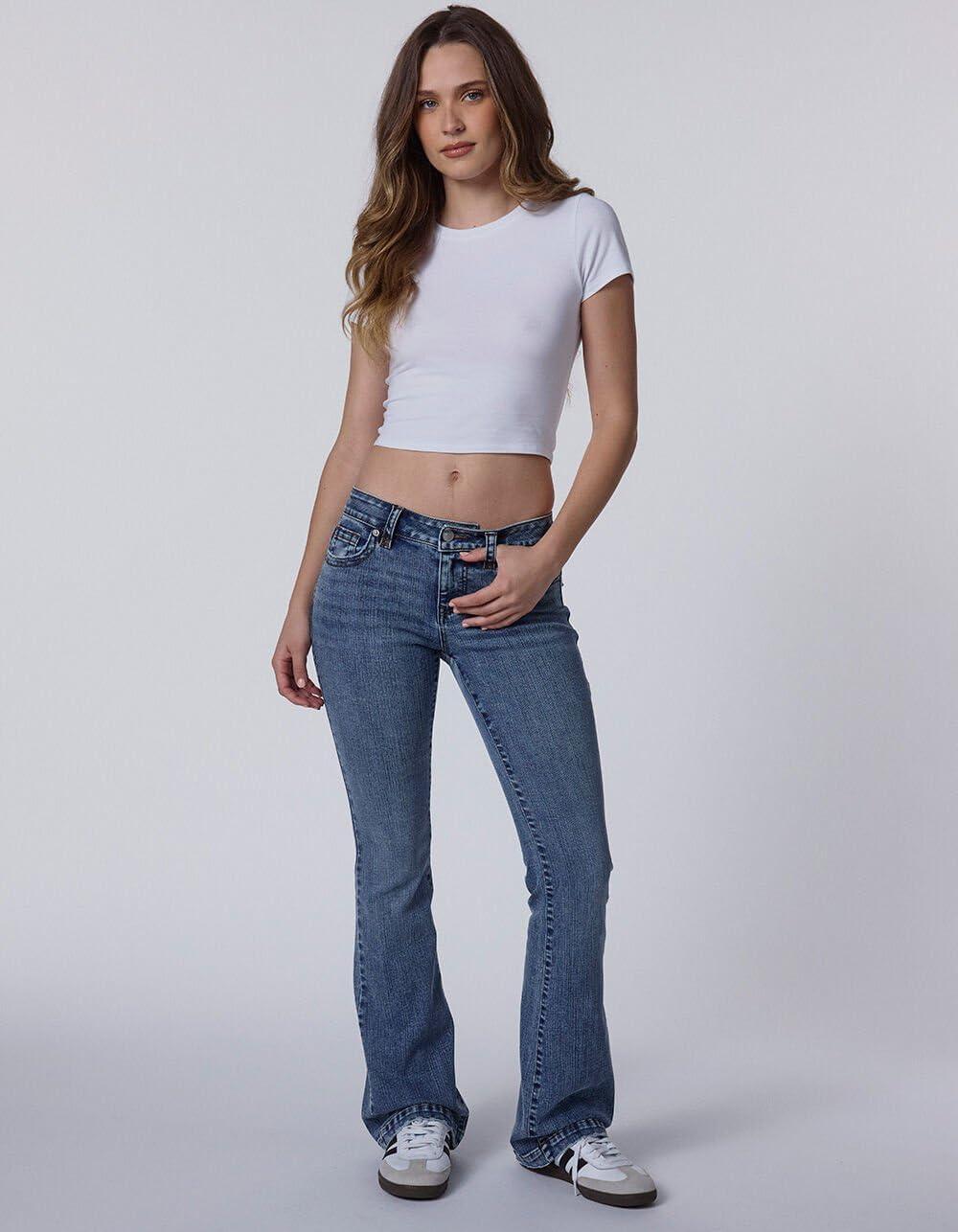
When you pull them on, the waistband settles low enough that you notice it more than a midrise would — it sits closer to the top of your hips and feels like it follows the curve there rather than climbing toward your navel. As you stand, the front band lays fairly flat, but the moment you bend or sit you’ll feel a small slide: the fabric shifts forward slightly and you’ll often smooth the area with a hand without thinking. Reaching, twisting, or leaning forward nudges the waistline a little; you catch it more at the back where it can ride up or loosen and then settle again once you’re upright.
Along your leg the silhouette narrows through the thigh and then begins to open below the knee, so your movement changes how it reads. Walking, the hem brushes against your shoe and swings outward on the back step, giving a little ripple with each stride. When you cross one leg over the other the flare compresses and the crease near the knee becomes more apparent, and if you crouch or climb stairs the fabric pulls taut across the thighs before relaxing as you straighten. After wearing them for a while the way the cut hangs feels familiar — you’ll notice small, automatic tweaks: a tug at the front after sitting, a quick adjustment at the hem when it catches, a habit of smoothing the hips as you shift from standing to moving.
How they move with you when you walk, bend, and sit
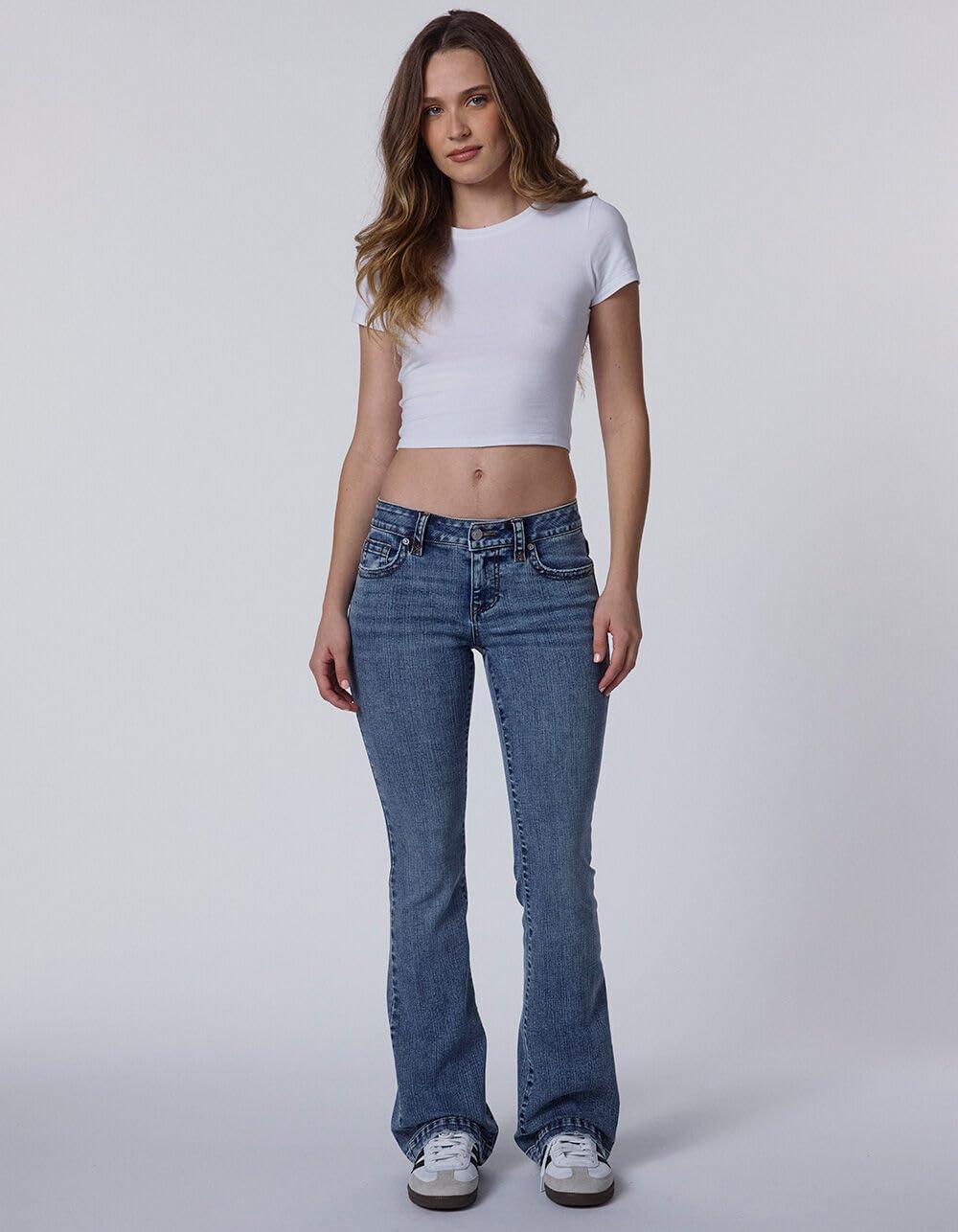
When you start walking, the pant legs follow your stride rather than fighting it; they swing softly with each step and the hem skims the tops of your shoes, catching little brief snags of air on longer strides.There’s a quiet give where your knees bend, then the fabric settles back so the motion feels continuous—occasionally a small inward rub at the thighs when your gait is narrower, and sometimes a slight pull at the back of the waist as you push off.
Bending forward,the material stretches across your thighs and the hip line shifts a hair lower; you’ll frequently enough find yourself smoothing the front with a quick palm before you stand. When you tuck into lower cupboards or tie a shoe, tension lines fan out from the crotch to the thighs and then relax as you straighten, leaving thin crease marks that fade once you move again.
Sitting, the lap gathers into horizontal folds and the front rides down a touch, prompting a half-smooth with your hand or a tiny hitch at the hips when you stand. The rear compresses and the seat molds around your posture, so rising brings a brief re-centering—pockets and seams slide a little as you shift—and by the time you’re upright the shape has eased back into place, not perfect but predictably familiar.
Where these jeans fit into your wardrobe and how they match up to what you expect
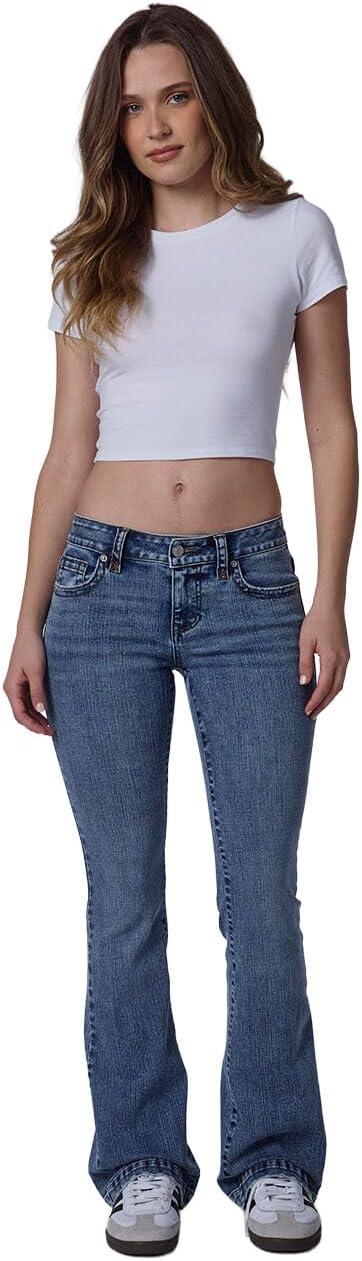
These settle into the parts of your wardrobe you reach for when you wont a low-slung silhouette that moves with you rather than against you. At first wear they feel compact around the hips,then loosen a touch as the day stretches on,so you find yourself hitching the waistband once or twice after sitting. The hem tends to skim over shoes and boots, and the legs open a little when you step; you notice that the overall line becomes more relaxed after a few wears.
What you expect to stay crisp through an afternoon sometimes softens into a lived-in drape rather, and that small give changes how you adjust shirts and pockets. Pockets show what you carry in a way you notice when you bend, and the seat creases differently after long days of commuting or standing. These behaviors make them feel less like an untouched new pair and more like something that settles into specific spots in your rotation as you wear them.For documented specifications and available options, see this listing.
What the wash, seams, and pockets look like after a day out and a wash
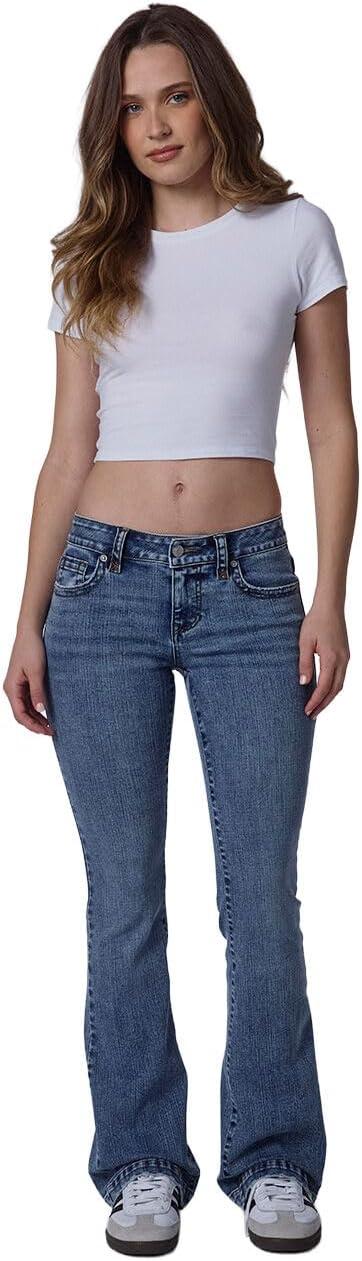
After a day out, the finish reads like a map of where you put weight and stow things: the fabric lightens slightly where your thighs rub together and where your phone rests, and faint horizontal creases form behind the knees from sitting.The stitched lines hold their place but you can feel them rather than see them — they press into your hips when you bend, and one seam tends to pull a little more than the other because of the way you shift your stance. Your hands find the pockets a few times; the openings spread, corners soften, and the back pocket keeps a soft, familiar bulge.Once you toss them in the wash and pull them back on,some of those day-specific marks have relaxed.The deeper bends from long sits remain as softened lines rather than sharp folds; seams lie flatter across your legs but tiny stray fibers along the stitching are more noticeable close up. Pockets shrink back toward their original shape but carry a subtle sag where you habitually kept small items,and lint can collect in the pocket mouth after a mixed-load wash. Small asymmetries—one pocket mouth a touch lower, a seam that still tugs when you reach—keep the trousers feeling like something already lived in.
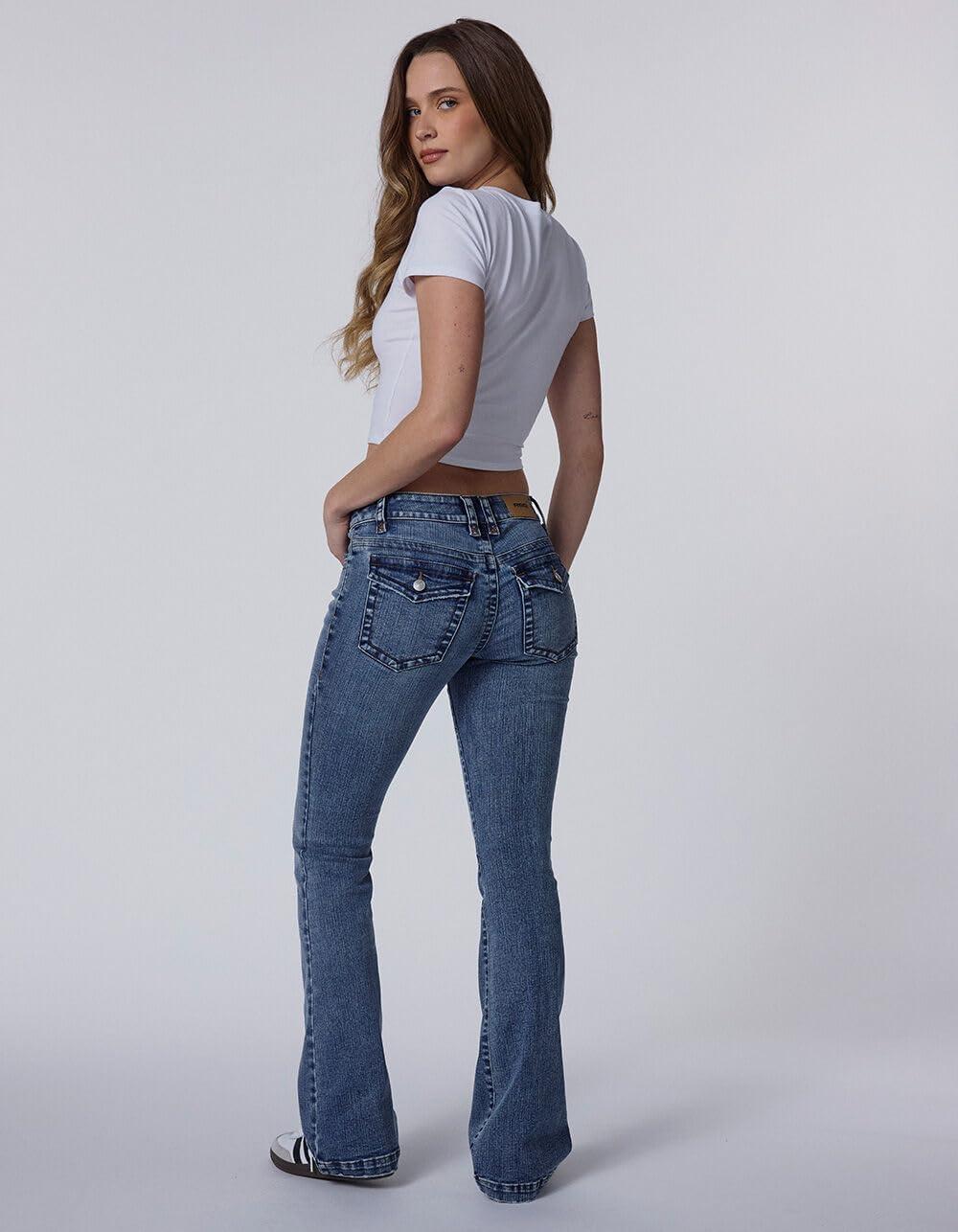
Its Place in Everyday Dressing
After a few weeks of rotation, the Rsq Womens Low Rise Bootcut Jeans finds a quieter shape in the closet — over time the denim loosens at the seams and the fit becomes a familiar note in daily wear. Comfort behaviour shifts subtly as it’s worn: initial stiffness gives way to a soft, reliable give and the fabric ages into small, even fades where movement happens. In regular routines the pair stops being a choice to intentional and simply becomes an ordinary presence. Over time it becomes part of rotation.

: RSQ women's low-rise bootcut jeans — comfy, flattering choice for casual weekday wear. Fit guide, styling tips and where to buy. Two short alternatives: 1) Shop RSQ women's low-rise bootcut jeans for a comfy, flattering look perfect for casual weekday wear. Fit tips, styling ideas & buy guide. 2) Find the best RSQ women's low-rise bootcut jeans for casual weekday wear—comfort, fit details, styling tips and top buying options.)